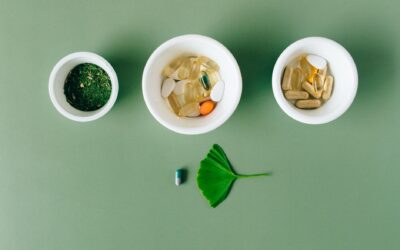

If you are a man over 40, you have likely thought about your prostate health at some point. The constant urge to urinate, waking up multiple times at night, or a nagging feeling that something is off can be unsettling. But here is the good news: what you eat can directly influence how your prostate functions. This guide focuses on foods that support prostate health, backed by nutritional science. Whether you want to reduce inflammation or maintain normal urinary function, these dietary choices can help. For a related concern, check out our guide on bladder control supplements for men.
Buying Guide: How to Choose Foods That Support Prostate Health
Not all foods marketed as healthy are equally beneficial for your prostate. When planning meals, consider the following criteria to maximize protective effects.
Lycopene Content
Lycopene is a powerful antioxidant found in red fruits and vegetables. It gives tomatoes and watermelon their color. Studies link high lycopene intake with a lower risk of prostate issues. Cooked tomatoes (like in tomato sauce or paste) actually deliver more lycopene than raw ones because heat makes it more absorbable. Pair cooked tomatoes with a healthy fat like olive oil to boost absorption further.
Omega-3 Fatty Acids
Omega-3s reduce inflammation throughout the body, including the prostate gland. Fatty fish such as salmon, mackerel, and sardines are excellent sources. If you are not a fish eater, consider chia seeds, flaxseeds, or walnuts. Chronic inflammation is a known driver of prostate enlargement, so adding omega-3s is a smart move. For overall vitality, you might also explore natural energy boosters for men that complement a prostate-friendly diet.
Zinc and Selenium
Zinc is essential for prostate health. The prostate gland actually stores more zinc than any other organ in the body. Pumpkin seeds, chickpeas, and oysters are rich in zinc. Selenium works alongside zinc to support prostate cell function and protect against oxidative damage. Brazil nuts are an outstanding selenium source. Just two Brazil nuts per day provide your full requirement.
Fiber and Antioxidants
A high-fiber diet helps regulate hormones and reduce inflammation. Cruciferous vegetables like broccoli, cauliflower, and kale contain sulforaphane, a compound that may help protect prostate cells. Berries (blueberries, strawberries) provide anthocyanins, another class of antioxidants. These foods also support digestive health, which is linked to overall well-being. If you are looking to maintain sustained energy, check out natural energy supplements that pair well with a nutrient-rich diet.
Final Thoughts
Choosing foods that support prostate health is one of the most empowering steps you can take for your long-term wellness. There is no single magic food, but a consistent pattern of eating lycopene-rich tomatoes, omega-3 fatty fish, zinc-packed pumpkin seeds, and antioxidant-filled vegetables can make a real difference.
Remember that diet works best as part of an overall healthy lifestyle. Regular exercise, maintaining a healthy weight, and staying hydrated all contribute to prostate function. If you have existing concerns, always consult your healthcare provider before making major dietary changes.
For those exploring complementary approaches, you may find value in understanding how sustained energy without caffeine can support your daily habits, or consider non-stimulant energy options if you want to avoid jitters.
Frequently Asked Questions
What foods are best for prostate health in 2026?
Tomatoes (especially cooked), fatty fish like salmon, pumpkin seeds, broccoli, and green tea are among the top foods. They provide lycopene, omega-3s, zinc, and antioxidants that support prostate function.
Can diet alone shrink an enlarged prostate?
Diet can help manage symptoms and slow progression, but it rarely reverses significant enlargement. A combination of dietary changes, regular exercise, and medical guidance is most effective. Always speak with your doctor for a personalized plan.
Is coffee bad for the prostate?
Moderate coffee consumption is generally fine and even linked to a lower risk of prostate issues in some studies. However, caffeine can irritate the bladder, so if you have frequent urination, consider limiting intake. For a caffeine-free energy approach, explore non-stimulant energy supplements.
How much water should I drink for prostate health?
Aim for 6 to 8 glasses of water per day. Staying hydrated keeps urine less concentrated, reducing irritation to the prostate and bladder. Avoid drinking large amounts right before bed to minimize nighttime trips to the bathroom.