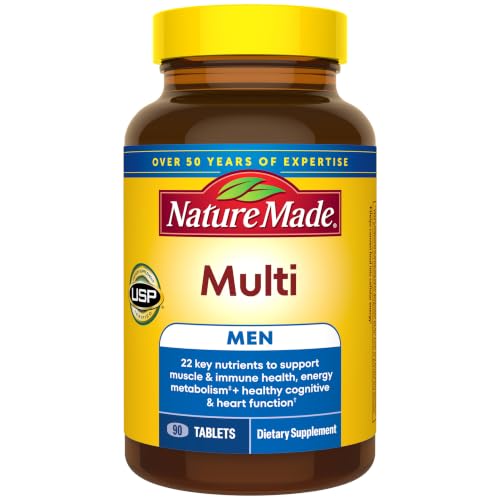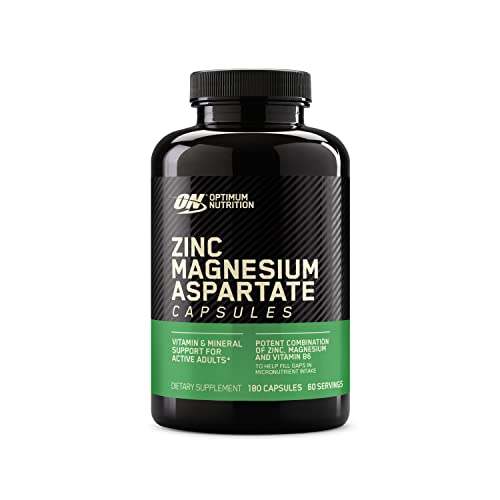

As men cross the age of 50, their bodies undergo subtle but significant changes. Bone density naturally declines, immune defenses weaken, and energy levels may dip. Vitamin D3, the sunshine vitamin, plays a critical role in counteracting these shifts. Yet many older men are deficient without realizing it. This guide helps you choose the best vitamin D3 supplement for men over 50 by focusing on dosage, absorption, and overall quality.
We have reviewed and compared top-rated formulations that support strong bones, a resilient immune system, and healthy testosterone production. For a broader look at D3 options, explore our complete guide to vitamin D3 for men.
Buying Guide
1. Form of Vitamin D: D3 vs. D2
Your body absorbs vitamin D3 (cholecalciferol) far more efficiently than D2 (ergocalciferol). D3 is the same form produced by sunlight exposure. For men over 50, D3 is the clear choice to maintain adequate blood levels. Look for supplements labeled as “D3” or “cholecalciferol.”
If you are also concerned about testosterone, our guide on vitamin D3 for testosterone shows how D3 directly influences hormone balance.
2. Dosage: Finding Your Sweet Spot
Standard recommendations often fall short for older men. Most studies suggest 1,000 to 2,000 IU per day, but individual needs vary based on sun exposure, skin tone, and body weight. A higher dose (up to 5,000 IU) may be appropriate if blood tests show deficiency. Always consult a healthcare provider before exceeding 4,000 IU daily.
Choose a supplement that offers flexibility, such as a 1,000 IU softgel that you can adjust as needed.
3. Absorption Enhancers: Fats and Vitamin K2
Vitamin D3 is fat-soluble, meaning it requires dietary fat for proper absorption. Taking your supplement with a meal containing healthy fats (like avocado, eggs, or olive oil) makes a significant difference. Some advanced formulas include vitamin K2 (menaquinone) to direct calcium to bones rather than arteries, offering extra bone and heart benefits.
Magnesium also plays a supporting role in D3 activation. Learn how magnesium glycinate benefits men over 50 and why it pairs well with D3.
4. Third-Party Certification
Not all supplements contain what the label promises. Look for seals from independent certifiers such as USP, NSF International, or ConsumerLab. These verify that the product matches its claimed potency and is free from harmful contaminants. A third-party validated D3 supplement gives you confidence in both safety and efficacy.
If you also take magnesium for sleep or stress, review the types of magnesium for men to pick the right form for your needs.
Final Thoughts
Choosing the best vitamin D3 for men over 50 comes down to a few key factors: a bioavailable D3 form, an appropriate daily dose, smart absorption support, and third-party certification. While the supplements listed above are our top picks for 2026, remember that individual needs vary. We recommend starting with a moderate dose, pairing it with vitamin K2 and magnesium if possible, and getting your blood levels checked annually. A consistent high-quality D3 regimen can make a meaningful difference in your bone density, immune resilience, and overall vitality as you age.
Frequently Asked Questions
How much vitamin D3 should a man over 50 take daily?
Most experts recommend 1,000 to 2,000 IU per day for men over 50 to maintain healthy blood levels. If you have a confirmed deficiency, doses up to 5,000 IU may be used under medical supervision. Regular blood tests every six to twelve months help you fine-tune your intake.
Is vitamin D3 better than D2 for older men?
Yes, vitamin D3 is significantly more effective at raising and maintaining blood levels of 25-hydroxyvitamin D. D3 also stays active in the body longer than D2. For men over 50, D3 is the preferred form for bone health, immune support, and hormone balance.
Can vitamin D3 boost testosterone in men over 50?
Emerging research suggests a link between adequate vitamin D levels and healthy testosterone production. Some studies show improvements in total and free testosterone after supplementation, especially in men with low baseline levels. For more details, see our article on vitamin D3 for testosterone.
Should I take vitamin D3 with K2 and magnesium?
Combining D3 with vitamin K2 helps guide calcium into your bones rather than soft tissues, which may benefit cardiovascular health. Magnesium is necessary to activate vitamin D3 in the body. A combined D3 + K2 + magnesium regimen can be highly synergistic, but you can also take them separately as long as you consume enough of each.