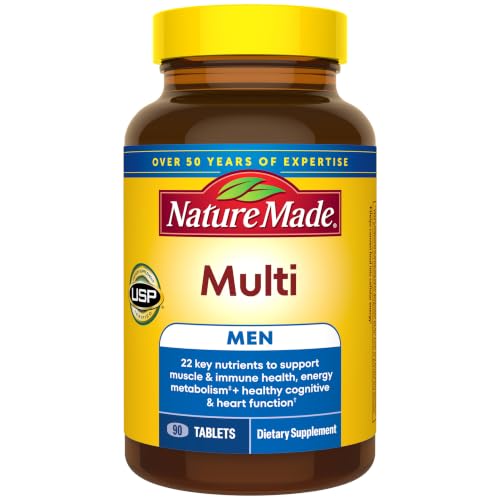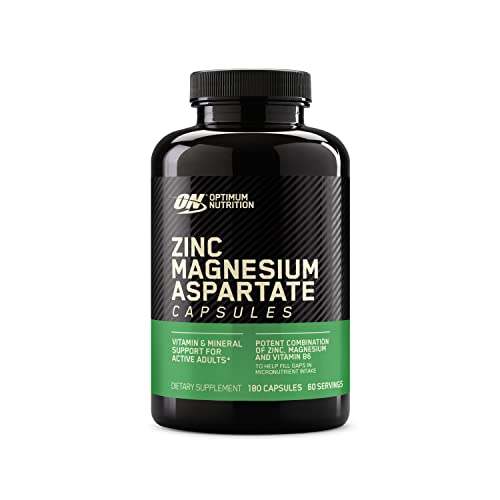

As men cross the 40-year milestone, maintaining optimal vitamin D3 levels becomes increasingly important for bone density, immune function, and overall vitality. Yet many men struggle to get enough from sunlight alone, especially during darker months or if they spend most of their time indoors. This guide breaks down what to look for in a vitamin D3 supplement specifically for men over 40, covering the forms, dosages, and quality markers that truly matter. For a broader look at D3 options, check out our top vitamin D3 picks for men.
Buying Guide for Vitamin D3 for Men Over 40
Form and Absorption: D3 vs. D2
Vitamin D3 (cholecalciferol) is the form naturally produced by your skin when exposed to sunlight. It is more effective at raising and maintaining blood levels than vitamin D2 (ergocalciferol), which comes from plant sources. For men over 40, D3 is the preferred choice because of its superior bioavailability. Look for supplements that clearly state “D3” on the label, often sourced from lanolin or lichen for vegan options.
Potency and Dosage
Dosage is critical. Many men over 40 benefit from 1,000 to 2,000 IU per day, but individual needs vary based on sun exposure, skin tone, and existing levels. Some supplements offer higher potencies (5,000 IU or more) for those with known deficiencies. Avoid extremes without medical guidance. The best vitamin D3 for men over 40 provides a dosage that matches your lifestyle and health status.
Purity and Third-Party Certification
Quality matters. Look for supplements that have been independently verified by organizations like USP, NSF International, or ConsumerLab. These certifications confirm that the product contains the stated amount of D3 and is free from contaminants like heavy metals or microbial growth. A clean label with no unnecessary fillers, artificial colors, or preservatives is a good sign.
Added Nutrients for Synergy
Many high-quality D3 supplements include vitamin K2 (as MK-7) to help direct calcium to bones rather than soft tissues. Magnesium is another common companion because it aids in D3 activation. For men over 40, a D3+K2 combo can support both bone and heart health. If you prefer a standalone D3, ensure your diet or other supplements cover these cofactors. To learn more about magnesium’s role, read our guide on magnesium glycinate benefits for men.
Final Thoughts
Choosing the right vitamin D3 for men over 40 comes down to absorption, appropriate dosage, and verified purity. While no single supplement fits every man, prioritizing a D3 form with third-party certification and a dosage that aligns with your needs is a solid start. For those seeking added bone and heart support, a D3+K2 combination is worth considering. Always discuss any new supplement with your healthcare provider, especially if you have existing health conditions or take medications.
Frequently Asked Questions
Why is vitamin D3 important for men over 40?
Vitamin D3 plays a vital role in calcium absorption, immune regulation, and muscle function. As men age, natural production decreases, making supplementation more important. Adequate D3 levels help maintain bone density, reduce fall risk, and support a healthy immune system. For more on men’s health supplements, see our best D3 for men’s health article.
What is the recommended dosage of vitamin D3 for men over 40?
General guidelines suggest 600 to 800 IU per day for adults, but many experts recommend 1,000 to 2,000 IU for men over 40, especially those with limited sun exposure. Higher doses (up to 5,000 IU) may be used under medical supervision for deficiency. Always get your blood levels checked before starting a high-dose regimen.
Should I take vitamin D3 with K2?
Vitamin K2 helps direct calcium to your bones and teeth rather than arteries, potentially reducing calcification risk. For men over 40, a D3+K2 combination can be beneficial for both bone and cardiovascular health. However, if you already get enough K2 from diet (natto, cheese, egg yolks), a standalone D3 may suffice.
How to choose a high-quality vitamin D3 supplement?
Look for D3 (cholecalciferol) in a softgel or liquid form for better absorption. Check for third-party certification (USP, NSF, ConsumerLab) to ensure purity and potency. Avoid products with artificial additives. Also consider whether you want added K2 or magnesium for synergistic benefits. Compare labels and choose a brand with transparent sourcing.