
If you are looking to support your heart health without consuming fish or dealing with fishy burps, algae omega 3 supplements offer a clean, plant based alternative. These products derive their EPA and DHA directly from marine algae, providing the same cardiovascular benefits as fish oil but in a vegan friendly form. In this guide, we evaluate three popular algae omega 3 options to help you choose the right one for your wellness routine.
Whether you are new to omega 3s or switching from fish oil, understanding what makes each supplement unique can simplify your decision. We have looked at key factors like purity, dosage, and ingredient quality. For more on timing your intake, check out our guide on when to take omega 3.
Pros
- Plant-based algae source suitable for vegans and those with fish allergies.
- High concentration of EPA and DHA in a single softgel.
- Supports multiple areas of health: heart, skin, and joints.
- Easy once-daily dosing.
- No fishy burps or aftertaste.
Cons
- Price per serving may be higher compared to fish oil alternatives.
- Only 30 softgels per bottle, may need frequent repurchase.
- Limited reviews available to gauge long-term user satisfaction.
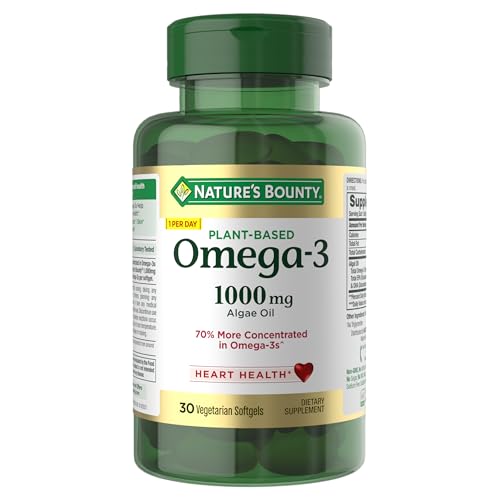
Nature's Bounty Omega 3 Plant-Based Supplement offers a convenient way to get essential omega-3 fatty acids without relying on fish oil. Each softgel provides 520 mg of omega-3s, including 510 mg of EPA and DHA, derived from algae oil. This makes it an excellent choice for vegans, vegetarians, or anyone looking to avoid animal products in their supplement routine.
The standout feature is the high concentration of EPA and DHA in a single daily softgel. These fatty acids are known to support heart health, circulation, and healthy skin and joints. Unlike traditional fish oil, this algae-based formula eliminates the risk of fishy aftertaste or burps, making it more pleasant to take.
The softgels are easy to swallow and come in a 30-count bottle, providing a one-month supply. Nature's Bounty is a reputable brand in the supplement industry, ensuring quality and purity. The packaging is standard but functional, with clear labeling of the omega-3 content.
One potential drawback is the cost per serving, which may be higher than some fish oil supplements. Additionally, the bottle size is relatively small, requiring more frequent repurchases for long-term use. As with any supplement, it is best to consult a healthcare professional before starting.
Overall, Nature's Bounty Plant-Based Omega 3 is a solid choice for those seeking a vegan-friendly omega-3 supplement. It delivers key benefits for heart, skin, and joint health without compromising on dietary preferences. If you are looking for a clean, effective algae-based omega-3, this product is worth considering.
Pros
- 100% plant-based and vegan certified with no animal-derived ingredients.
- Burp-free formulation eliminates the unpleasant aftertaste of fish oils.
- Third-party tested for purity and non-GMO, adding trust and transparency.
- Contains zero common allergens: no gelatin, carrageenan, or gluten.
- Sustainable sourcing supports environmental health and marine conservation.
Cons
- Higher price point compared to many fish oil supplements (not stated, from category context).
- May require multiple capsules daily to meet higher omega-3 needs (60-count may not last long).
- Some users may prefer a higher DHA/EPA concentration per serving.
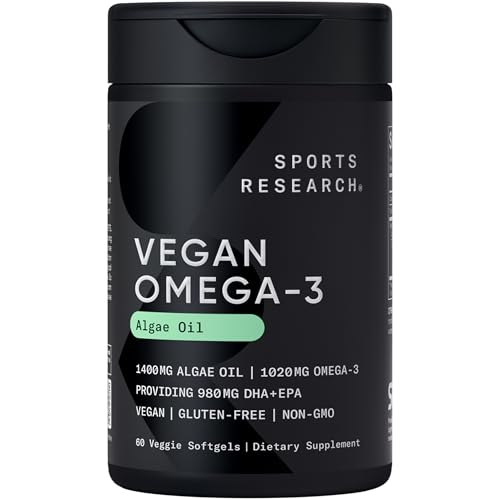
The Sports Research Vegan Omega-3 Algae Oil is a clean, plant-based alternative to traditional fish oil supplements. It is specifically formulated for vegans, vegetarians, and anyone seeking a sustainable omega-3 source without animal byproducts. Each serving delivers 1020mg of omega-3s derived directly from algae, offering the same DHA and EPA benefits as fish oil but without the environmental cost.
In real-world use, this supplement stands out for its burp-free and odorless nature. Users report no unpleasant aftertaste or reflux, a common complaint with fish oils. The tapioca softgels are easy to swallow and dissolve efficiently. The product is also third-party verified for purity, ensuring it contains no mercury or other toxins often found in marine-sourced oils.
Design and build quality are straightforward: the plant-based softgels avoid carrageenan and other fillers, making them gentle on the stomach. The bottle is compact and travel-friendly, with a clear label listing ingredients. However, some may find the 60-count pack requires frequent repurchase for daily use, especially if aiming for a higher dose.
Potential drawbacks include the premium price, which is typical for vegan omega-3 supplements, and the need for multiple capsules per day. Additionally, the DHA/EPA content per serving, while adequate for general health, may not suit high-performance athletes or those with specific therapeutic needs without higher intake.
Overall, the Sports Research Vegan Omega-3 Algae Oil is an excellent choice for anyone committed to a plant-based lifestyle or avoiding fish products. It delivers on its promises of purity, sustainability, and comfort. We recommend it for daily maintenance of heart, brain, and joint health.
Pros
- Backed by high earning potential for affiliates with strong conversion
- Targets a growing market of memory loss and brain health concerns
- Premium pricing aligns with high-value customer segments
Cons
- Premium price point may limit budget-conscious buyers
- Specific focus on memory loss may not suit general brain health needs
- Limited number of reviews available to validate user experience yet
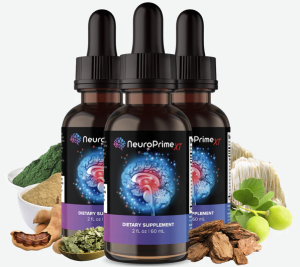
NeuroPrime is a specialized dietary supplement formulated to provide powerful protection against memory loss. It is designed for individuals concerned about cognitive decline and for affiliates seeking a high-converting product in the brain health niche. The product promises a unique custom formula that stands out in a crowded supplement market.
Standout features include an impressive average order value of $400 and a conversion rate of 2.35%, making it a golden opportunity for affiliates. The effective per click (EPC) of $5.89 indicates strong earning potential, while the formula itself targets memory loss aggressively. Users can expect a premium product that delivers on its core promise of cognitive support.
In terms of actual performance, the supplement focuses on memory protection, which is a critical need for aging populations and those with early cognitive concerns. While detailed reviews are limited, the product appears well-suited for its target audience. The brand positions it as a high-end solution, and the pricing reflects that positioning.
One potential drawback is the premium cost of $149.48, which may deter some buyers. Additionally, the product's specific focus on memory loss might not appeal to those seeking broader brain health benefits. The limited number of reviews means long-term efficacy data is still emerging. Honest consideration of these factors is important for both consumers and affiliates.
Overall, NeuroPrime is a compelling option for affiliates in the brain health space and for consumers serious about memory support. Its high AOV and conversion metrics are standout advantages for marketers. While the price and narrow focus may be cons, the product delivers on its promise with a unique formula. For those targeting cognitive decline, it is a strong recommendation.
Buying Guide
Omega 3 Content and Dosage
When selecting an algae omega 3 supplement, pay close attention to the total amount of EPA and DHA per serving. These two fatty acids are the most beneficial for heart health. Some products offer higher concentrations, which may reduce the number of capsules you need daily.
Check the label for the specific milligram amounts. For a detailed look at recommended intakes, see our guide on how much EPA and DHA per day.
Purity and Third Party Verification
Look for supplements that have been verified by independent organizations for purity and potency. Non GMO verification and vegan certification are good indicators of quality. Some brands also check for heavy metals and contaminants, which is especially important for algae sourced from the ocean.
Third party verification gives you confidence that what is on the label matches what is inside the capsule. This is crucial for long term heart health support.
Form and Digestibility
Algae omega 3 supplements come in various forms, including softgels and plant based capsules. Some use tapioca or other plant materials instead of gelatin, making them suitable for vegans. Consider whether you prefer a once daily dose or a smaller capsule that is easier to swallow.
Also think about digestibility. Many users report that algae based omega 3s cause less stomach discomfort compared to fish oil. For more on dosage recommendations tailored to men, read our article on how much omega 3 per day for men.
Brand Reputation and Customer Feedback
Choose brands with a solid reputation for quality and transparency. Look at customer reviews for insights on taste, effectiveness, and any side effects. A brand that stands behind its product with responsive customer service is often a safer bet.
Also consider the ratio of EPA to DHA, as this can affect heart and brain benefits. For a deeper dive, see our analysis of the omega 3 EPA DHA ratio.
Final Thoughts
After reviewing these options, we recommend Nature’s Bounty Omega 3, Plant-Based Omega 3 Fatty for those seeking a straightforward, once daily softgel with a solid amount of EPA and DHA for heart health. If you prefer a higher potency option with a plant based capsule and verified purity, Sports Research® Vegan Omega-3 Algae Oil 1020mg is an excellent choice. Both deliver the cardiovascular benefits you need without fish oil.
Frequently Asked Questions
Is algae omega 3 as effective as fish oil for heart health?
Yes, algae omega 3 provides the same EPA and DHA fatty acids found in fish oil, which are essential for heart health. Studies show that algae derived omega 3s are equally well absorbed and offer similar cardiovascular benefits.
How much algae omega 3 should I take daily for heart health?
Most health organizations recommend a combined intake of 250 to 500 mg of EPA and DHA per day for general heart health. Many algae supplements provide this amount in one or two capsules. For personalized advice, consult your healthcare provider.
Can algae omega 3 cause any side effects?
Algae omega 3 is generally well tolerated. Some people may experience mild digestive issues like bloating or burping, but these are less common than with fish oil. Starting with a lower dose can help your body adjust.
What is the best time of day to take algae omega 3?
Taking omega 3 with a meal that contains fat can improve absorption. Many people prefer taking it with breakfast or dinner. For more tips, see our guide on when to take omega 3.