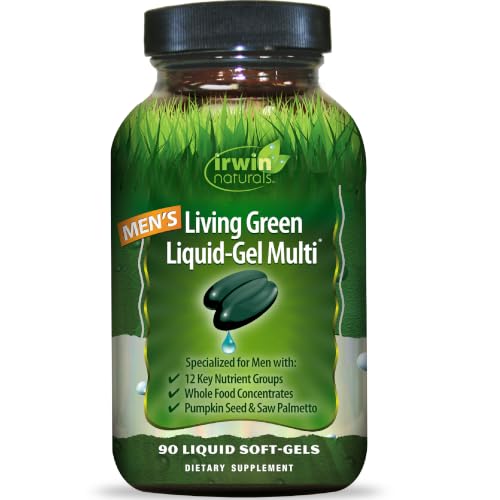

You hit 40 and suddenly your joints creak a little louder, your energy dips after lunch, and that extra weight clings like it owns you. It is not just in your head. Your body now absorbs and uses nutrients differently than it did a decade ago. That is why vitamins for men over 40 are not a luxury; they are a targeted tool to keep you feeling sharp, strong, and resilient. In this guide, we break down the key nutrients your body craves after 40 and how to choose supplements that actually deliver results.
Whether you are an athlete trying to maintain performance or a busy professional fighting fatigue, the right vitamins can make a real difference. For a deeper look at how specific nutrients boost your workouts, check out our guide on top vitamins for Men’s performance.
Buying Guide: What to Look for in Vitamins for Men Over 40
Choosing the right supplement is not about grabbing the cheapest bottle. Your needs change after 40, and so should your approach. Here are the key factors to consider.
Vitamin D for Bone and Immune Health
Vitamin D levels naturally decline as we age, and that matters for more than just bones. Adequate vitamin D supports immune function, mood, and even testosterone production. Many men over 40 are deficient without realizing it. Look for a supplement that provides at least 1,000 to 2,000 IU per serving, and consider getting your levels checked first.
B Vitamins for Energy and Metabolism
The B vitamin family (B6, B12, folate, and others) helps convert food into usable energy. After 40, your body may absorb B12 less efficiently, especially if you take acid reflux medication. A good B-complex can help maintain steady energy levels and support nerve function. If you often feel sluggish, this is a category worth prioritizing.
For more on sustaining energy throughout the day, see our review of top energy and stamina supplements under $50.
Magnesium for Muscle and Heart Health
Magnesium plays a role in over 300 enzymatic reactions, including muscle relaxation, sleep quality, and blood pressure regulation. As you age, magnesium levels can drop due to stress, diet, or medications. A chelated form like magnesium glycinate is easier on the stomach and better absorbed. This mineral is especially helpful if you experience nighttime leg cramps or restless sleep.
Omega-3 Fatty Acids for Heart and Brain
Omega-3s (EPA and DHA) are essential for reducing inflammation, supporting heart health, and maintaining cognitive function. After 40, the risk of cardiovascular issues rises, making omega-3s a smart addition. Look for a fish oil or algae-based supplement with at least 500 mg combined EPA and DHA per serving. Third-party verified purity is a plus.
If you are also concerned about prostate health, you might find our guide on bladder support supplements useful for overall urinary wellness.
Final Thoughts
Navigating the world of supplements after 40 does not have to be overwhelming. Focus on the nutrients your body truly needs: vitamin D, B vitamins, magnesium, and omega-3s. These four pillars cover energy, bone density, heart function, and overall vitality. While individual products vary, start with a high-quality multivitamin that includes these core ingredients, then add targeted support as needed. Remember, consistency matters more than perfection. Pair your supplement routine with good sleep, regular exercise, and a balanced diet for the best results.
Frequently Asked Questions
Why do men over 40 need different vitamins than younger men?
After 40, nutrient absorption declines, hormone levels shift, and the risk of chronic conditions increases. Vitamins like D, B12, and magnesium become even more critical to maintain energy, bone density, and heart health.
Can I get all the vitamins I need from food alone?
Ideally yes, but modern diets often fall short. Soil depletion, busy schedules, and reduced absorption mean even a healthy eater may benefit from targeted supplements. A blood test can help identify specific gaps.
How do I know which supplement brand is trustworthy?
Look for third-party certifications such as USP, NSF, or ConsumerLab. Brands that openly share their sourcing and testing protocols are more reliable. Avoid products with long lists of fillers or proprietary blends that hide ingredient amounts.
Should I take vitamins with food or on an empty stomach?
Most fat-soluble vitamins (A, D, E, K) and omega-3s require food for proper absorption. Water-soluble B vitamins and vitamin C can be taken with or without food, but taking them with a meal reduces stomach upset. Always follow the label instructions.
For more tailored advice on staying active and healthy after 40, explore our articles on vitamins for men who exercise and top vitamins for active men.