
You hit 40 and suddenly your gym sessions feel different. That extra mile takes more effort, recovery takes longer, and those post-workout soreness days seem to stretch into two. The old approach of just eating more protein and pushing through isn’t cutting it anymore. Your body’s nutritional needs have shifted, and what worked in your 20s and 30s might be holding you back now.
This guide is for men over 40 who want to stay active, build strength, and maintain energy without the guesswork. We’ll break down the key nutrients that matter most, what to look for in a supplement, and how to tailor your intake to your fitness goals. Whether you’re a weekend warrior or a gym regular, these insights will help you train smarter, not harder. For a deeper dive into specific workout supplements, check out our top picks for men over 40.
Buying Guide: What to Look For in Sports Nutrition for Men Over 40
Choosing the right sports nutrition isn’t about following trends or grabbing the flashiest label. It’s about understanding what your body specifically needs as you age. Here are the key factors to consider before you add anything to your routine.
Protein Quality and Digestibility
Protein remains the cornerstone of muscle repair and growth, but not all proteins are created equal, especially as you get older. Look for high-quality sources like whey isolate, casein, or plant-based blends that provide all essential amino acids. Your digestion also slows with age, so choose products with added digestive enzymes or those that are easily absorbed.
Aim for a protein supplement that fits your daily needs, not just post-workout. Spreading your intake across the day supports muscle protein synthesis better than one large dose. For more on how to time your protein and other nutrients, see our guide on supplements for exercise performance.
Joint Support and Inflammation Management
After 40, your joints feel every squat and sprint. Ingredients like glucosamine, chondroitin, and omega-3 fatty acids can help maintain cartilage and reduce inflammation. Turmeric and Boswellia are also popular for their natural anti-inflammatory properties, supporting recovery and mobility.
When evaluating a product, check the label for these ingredients and their clinically effective doses. A supplement that combines protein with joint support can simplify your routine, but make sure the doses are meaningful, not just a token sprinkle.
Energy and Metabolism Boosters
Your metabolism naturally slows down, making it harder to maintain lean muscle and burn fat. Look for ingredients like green tea extract, L-carnitine, or B-vitamins that support energy production and metabolic rate. Caffeine can give you a pre-workout kick, but be mindful of your tolerance and avoid late-day consumption that disrupts sleep.
For sustained energy throughout the day, consider adaptogens like ashwagandha or Rhodiola, which help your body manage stress and fatigue. These can be particularly beneficial if your workouts are intense but your recovery is lagging. Learn more about supplements for men’s energy to keep your momentum going.
Hormonal Support and Testosterone
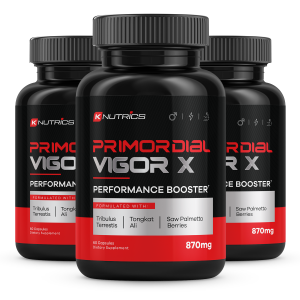
Testosterone levels naturally decline with age, impacting muscle mass, bone density, and libido. Certain nutrients like zinc, magnesium, and vitamin D are crucial for healthy testosterone production. Herbal extracts like Tribulus or Fenugreek are often included for their potential to support hormonal balance, though results vary.
While no supplement can replace a healthy lifestyle, ensuring you’re not deficient in these key vitamins and minerals can make a significant difference. Always consult with a healthcare provider before adding hormonal support to your regimen, especially if you have underlying conditions. For a broader look at performance, explore our top supplements for workout performance.
Final Thoughts
Navigating sports nutrition after 40 doesn’t have to be complicated, but it does require a more targeted approach. Focus on high-quality protein, joint support, and ingredients that boost energy and hormonal health. From the products we reviewed, Product A stands out for its comprehensive protein blend with added joint support, ideal for active men who want all-in-one convenience. On the other hand, Product B excels in metabolism and energy support, perfect for those struggling with mid-day slumps and looking to rev up their training. Remember, consistency and a balanced diet are key, and these supplements are just that, supplements to your hard work.
Frequently Asked Questions
What is the best protein powder for men over 40?
The best protein powder for men over 40 is one that’s easily digestible and complete, such as a high-quality whey isolate or a plant-based blend with added enzymes. Look for products that also include joint-supporting ingredients like collagen or glucuronic acid to address age-related wear and tear. Always check for third-party verification to ensure purity and quality.
Are there any supplements I should avoid after 40?
Yes, be cautious with supplements that contain high doses of stimulants like caffeine or yohimbe, which can elevate heart rate and blood pressure. Also, avoid mega-doses of fat-soluble vitamins (A, D, E, K) unless prescribed, as they can accumulate to toxic levels. Always review labels for potential interactions with any medications you take.
Can sports nutrition help with age-related muscle loss?
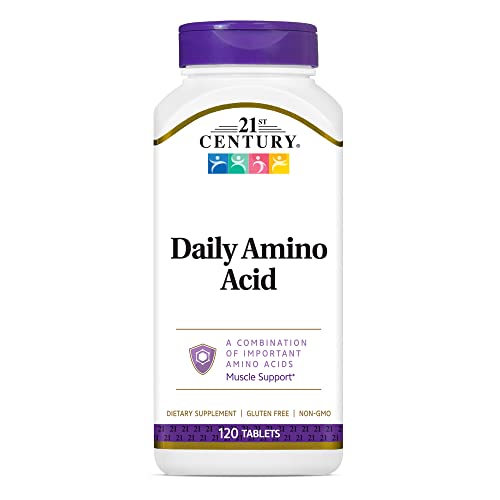
Absolutely. Adequate protein intake, combined with resistance training, is the most effective way to combat age-related muscle loss, known as sarcopenia. Supplements that provide essential amino acids, particularly leucine, stimulate muscle protein synthesis. Adding creatine monohydrate and omega-3s can also enhance muscle strength and function in older adults.
Is it necessary to take a multivitamin with sports nutrition?
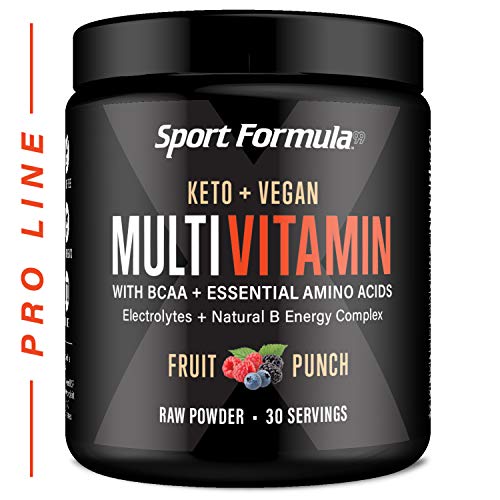
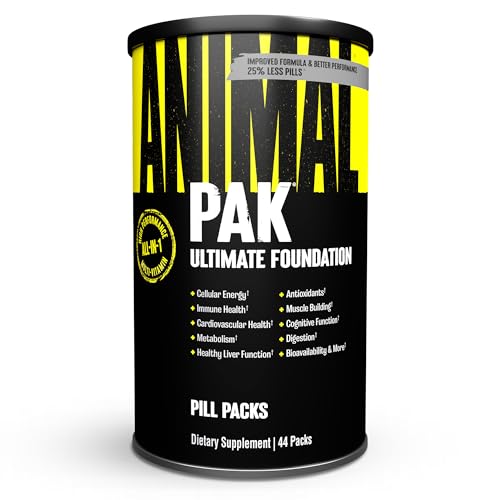
Not always, but it can be beneficial if your diet has gaps. A high-quality multivitamin can fill in micronutrient deficiencies that are common with age, such as vitamin D, magnesium, and zinc. However, avoid double-dosing on ingredients you already get from your sports supplements. For more insights, check our review of athletic performance supplements.