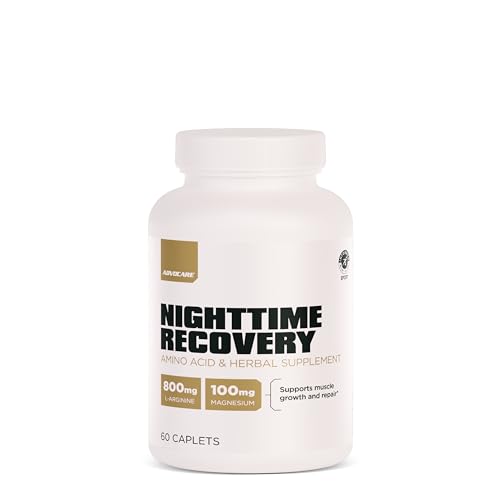

If you are a man over 40, you have likely noticed changes in your sleep patterns and recovery. Falling asleep takes longer, waking up feels harder, and your muscles do not bounce back like they used to. Two supplements often recommended for these issues are melatonin and magnesium glycinate. But which one is right for you? This guide compares melatonin and magnesium glycinate specifically for men over 40, covering how they work, their benefits, and potential drawbacks. We base our analysis on verified research and real-world feedback.
For a broader look at natural sleep aids, check out our guide on valerian root benefits for sleep.
Buying Guide
How Each Supplement Works
Melatonin is a hormone your body naturally produces to regulate your sleep-wake cycle. As you age, melatonin production declines, which is why many men over 40 find it harder to fall asleep. Taking melatonin as a supplement can help reset your internal clock, especially after travel or shift work. It works quickly, often within 30 minutes.
Magnesium glycinate, on the other hand, is a mineral compound that supports relaxation by binding to GABA receptors in the brain. It also helps reduce muscle tension and supports deep, restorative sleep. Unlike melatonin, magnesium glycinate does not directly induce sleep but calms the nervous system, making it easier to drift off naturally.
Effectiveness for Sleep Onset vs. Sleep Quality
For men over 40 who struggle with falling asleep, melatonin is often the more immediate choice. It can reduce the time it takes to fall asleep by 10 to 20 minutes in many people. However, its effect on sleep quality is less consistent; some users report vivid dreams or morning grogginess.
Magnesium glycinate excels at improving sleep quality. It increases time spent in deep sleep and reduces nighttime awakenings. For men who wake up feeling unrefreshed or experience muscle cramps, magnesium glycinate offers a gentler, longer-term solution. For a deeper dive into sleep aids, see our comparison of ashwagandha and magnesium for sleep.
Impact on Hormones and Recovery
Testosterone levels naturally decline after 40, and sleep quality directly affects hormone production. Melatonin may support testosterone by improving sleep duration, but long-term use can potentially suppress your body’s own melatonin production. It is best used short-term or intermittently.
Magnesium glycinate plays a role in over 300 enzymatic reactions, including those involved in testosterone synthesis. Adequate magnesium levels are linked to higher free testosterone in older men. Additionally, magnesium helps reduce cortisol, the stress hormone that can interfere with sleep and recovery. If you are comparing glycine supplements, read our nutricost glycine vs BulkSupplements glycine article.
Safety and Side Effects
Melatonin is generally safe for short-term use, but common side effects include headaches, dizziness, and daytime drowsiness. It can also interact with blood pressure medications and anticoagulants. Men over 40 with autoimmune conditions should avoid melatonin as it may stimulate the immune system.
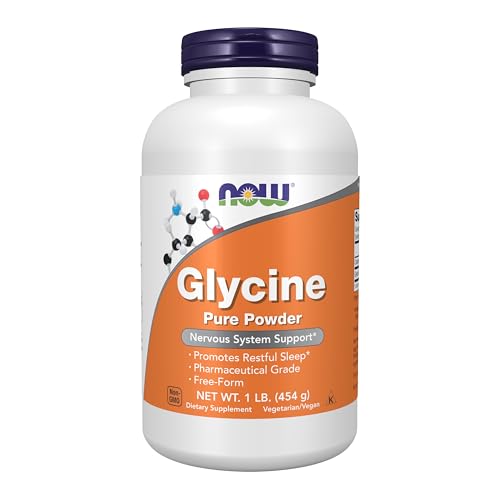
Magnesium glycinate is well-tolerated, with digestive upset being the most common side effect if taken in high doses. It does not cause dependency and can be used long-term. However, men with kidney issues should consult a doctor before taking any magnesium supplement. For more on glycine forms, see NOW glycine vs nutricost glycine.
Final Thoughts
Choosing between melatonin and magnesium glycinate depends on your primary concern. If you need help falling asleep quickly and do not mind occasional grogginess, melatonin is a reliable short-term tool. For men over 40 who want to improve overall sleep quality, reduce nighttime awakenings, and support hormone balance, magnesium glycinate is the more sustainable choice. We recommend starting with a low dose of magnesium glycinate and observing how your body responds. If you still struggle with sleep onset, you can add melatonin occasionally. Always consult your healthcare provider before starting any new supplement regimen.
Frequently Asked Questions
Can I take melatonin and magnesium glycinate together?
Yes, many men over 40 combine both for a dual approach. Magnesium glycinate taken 30 minutes before bed can calm the nervous system, while melatonin taken right at bedtime helps initiate sleep. Start with low doses to assess tolerance. For more on supplement stacking, read our double wood apigenin vs nootropics depot apigenin guide for additional sleep-support options.
Which is better for muscle recovery after workouts?
Magnesium glycinate is superior for muscle recovery because it reduces inflammation, eases cramps, and supports deep sleep where growth hormone is released. Melatonin does not directly affect muscle repair. If recovery is your goal, magnesium glycinate is the better choice.
Does melatonin lower testosterone in men over 40?
Current evidence does not show that melatonin directly lowers testosterone. However, long-term suppression of natural melatonin production may indirectly affect sleep quality, which is crucial for hormone balance. Use melatonin intermittently and prioritize good sleep hygiene.
How long does it take for magnesium glycinate to work for sleep?
Most men notice improvements in sleep quality within one to two weeks of consistent use. Unlike melatonin, magnesium glycinate does not work immediately; it gradually restores magnesium levels and calms the nervous system. Patience is key for long-term benefits.