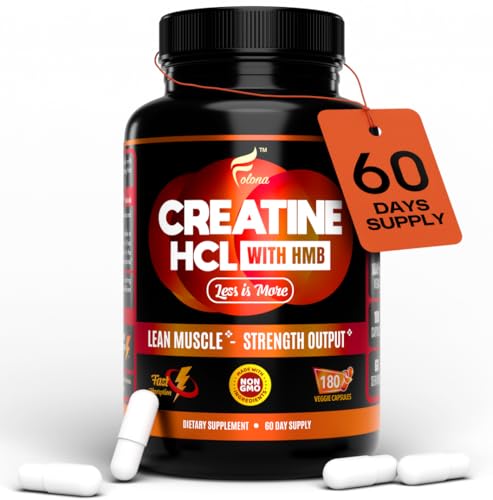

After 50, muscle mass naturally declines, making it harder to maintain strength, balance, and metabolic health. You might be wondering whether HMB or creatine is the smarter addition to your supplement stack. Both have solid research behind them, but they work through different pathways and suit distinct goals.
This guide breaks down HMB vs creatine specifically for men over 50. We’ll cover how each functions, who benefits most, and what to consider before you buy. If you’re new to muscle support, check out our muscle support for healthy aging men resource first.
How to Choose Between HMB and Creatine
Selecting the right supplement depends on your training focus, recovery needs, and overall health. Here are the key factors we evaluate when comparing HMB and creatine for men over 50.
Your Primary Muscle Goal
HMB is a leucine metabolite that helps reduce muscle protein breakdown, making it ideal for preserving lean mass during weight loss or periods of inactivity. Creatine, on the other hand, enhances performance by boosting ATP regeneration, which translates to more strength and power during resistance training.
If your main objective is to maintain muscle while shedding fat, HMB may be more aligned. If you’re aiming to increase strength and push heavier loads, creatine has stronger evidence. Some men combine both, but picking one based on your immediate goal simplifies the decision.
Recovery and Muscle Soreness
HMB has been shown to reduce exercise-induced muscle damage and soreness, which can be particularly beneficial for older adults who may need longer recovery windows. Creatine helps with recovery by replenishing energy stores and reducing inflammation, though its effects on soreness are less pronounced.
If you often feel sore after workouts and struggle with next-day stiffness, HMB might offer a more noticeable benefit. For those who recover quickly but want to increase training volume, creatine is the tried-and-true option. Learn more about recovery supplements in our HMB vs EAA for muscle recovery comparison.
Health and Safety Considerations
Creatine monohydrate is one of the most researched supplements in sports nutrition, with decades of safety data. It can cause water retention, which may temporarily increase body weight and bloating, but it’s generally well-tolerated. HMB is also safe, though research is less extensive, especially in older populations.
If you have kidney issues or high blood pressure, consult your doctor before adding creatine. HMB has a cleaner safety profile for those with hypertension, but it’s still wise to get a baseline blood panel. For a deeper dive into how these supplements interact with aging, see our HMB vs protein for muscle maintenance piece.
Supplement Form and Quality
Both HMB and creatine are available in powder, capsule, and even liquid forms. Creatine monohydrate is typically micronized for better mixing, while HMB is often combined with other amino acids. Quality matters: look for third-party verified labels such as NSF or Informed Choice to ensure purity and label accuracy.
For men over 50, capsules or tablets might be more convenient if you travel or dislike the taste of powders. However, powders are often more cost-effective per serving. Always start with a lower dose to assess tolerance. Check out our HMB vs leucine guide to understand dosage nuances.
Final Thoughts
Choosing between HMB and creatine for men over 50 isn’t about which is universally better, it’s about matching the supplement to your personal training goals and recovery style. If preserving muscle while losing fat is your priority, HMB shines; if you’re chasing strength gains and greater power output, creatine remains the gold star. For many men, a combined approach offers synergistic benefits, but starting with the one that aligns most closely with your immediate objectives is wise. Remember to prioritize quality and consult your healthcare provider if you have underlying conditions. For more tailored insights, revisit our HMB vs creatine for men over 40 and HMB vs creatine for older adults comparisons to fine-tune your choice.
Frequently Asked Questions
Can I take HMB and creatine together?
Yes, combining HMB and creatine is generally safe and may provide complementary effects. HMB helps reduce muscle breakdown while creatine enhances energy production. Many athletes stack them for both preservation and performance. Start with a low dose of each to gauge tolerance.
How long does it take to see results with creatine or HMB?
Creatine typically shows measurable strength gains within 3 to 6 weeks when combined with resistance training. HMB’s effects on muscle preservation can appear sooner, sometimes within 2 to 3 weeks, especially during weight loss or immobilization. Both require consistent daily use.
Which is better for overall health in men over 50?
Neither is “better” for overall health; they serve different roles. HMB may reduce age-related protein breakdown and support lean mass, while creatine improves physical function and bone density. Your choice should be guided by your fitness goals and any health conditions you have.
Are there any side effects specific to older men?
Both supplements are considered safe for healthy older adults. Creatine may cause water retention and mild stomach upset, while HMB is rarely associated with side effects. If you have kidney disease or take medications, always consult a physician before starting any supplement.