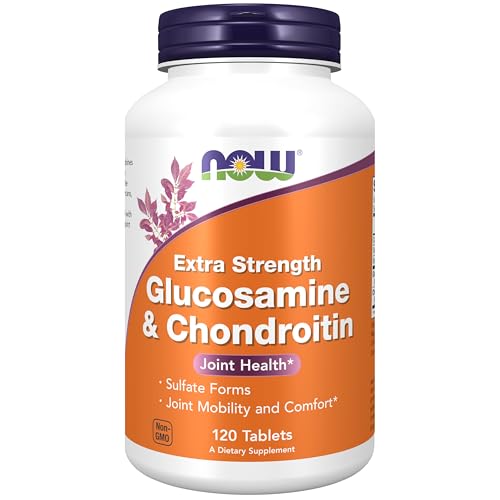

You are a man over 50 who wakes up with creaky knees, stiff hips, or a nagging back that complains after a weekend hike. You have heard about glucosamine and collagen both touted for joint health. But which one actually delivers results for your age? This guide cuts through the hype and gives you an honest comparison of glucosamine versus collagen specifically for men over 50. We focus on what works, what science says, and how to pick the right supplement for your lifestyle. For a deeper look at other joint support options, check out our comparison of glucosamine vs UC II for men over 50.
Buying Guide: How to Choose Between Glucosamine and Collagen
Understand Your Target Tissue
Glucosamine is a direct building block of cartilage, the tough rubbery tissue that cushions your joints. Collagen, on the other hand, is a structural protein found in bones, tendons, ligaments, and skin. For joint support, think of glucosamine as fuel for cartilage repair, while collagen provides the scaffolding for overall connective tissue strength. If your main complaint is deep joint pain and stiffness, glucosamine may be the more direct choice. If you also worry about tendon health, skin elasticity, or bone strength, collagen offers broader benefits.
Evaluate Scientific Backing
Glucosamine has decades of research behind it, especially for osteoarthritis. Clinical studies show it can reduce pain and improve function, though results vary by individual. Collagen supplements, particularly types I and II, have also been studied for joint health. Type II collagen is specifically targeted at cartilage and may work via immune modulation. For a detailed comparison of glucosamine forms, read our glucosamine sulfate vs glucosamine HCl guide. Remember that both supplements work best when paired with a consistent routine and realistic expectations.
Consider Absorption and Form
Glucosamine is typically taken as a sulfate or hydrochloride salt, with sulfate being more common in studies. Collagen comes as hydrolyzed powder or capsules hydrolyzed collagen is more easily absorbed. For men over 50 with sensitive stomachs, choose a form that is gentle on digestion. Some products combine both ingredients, but it is often better to try one at a time to gauge response. If you are already taking other joint supplements like MSM or turmeric, see our analysis of glucosamine vs MSM for joints to avoid overlap.
Factor in Your Overall Health Goals
Men over 50 often have multiple health concerns joint pain is just one piece of the puzzle. Glucosamine primarily benefits joints and may also support gut and bladder health. Collagen supports skin, hair, nails, and blood vessel health. If circulation is a concern, check our supplements for healthy blood flow. Your choice should align with your broader wellness priorities. For instance, if you are also focused on heart health or wound healing, collagen might offer extra advantages.
Final Thoughts
Choosing between glucosamine and collagen for men over 50 is not a one size fits all decision. Glucosamine excels at supporting cartilage health and reducing joint pain, making it a strong first line supplement for osteoarthritis. Collagen offers a wider range of benefits for connective tissues, skin, and overall structural support. We recommend starting with a high quality glucosamine sulfate supplement if joint pain is your main concern, and adding a type II collagen if you want to address stiffness and tendon issues simultaneously. Both work best alongside a balanced diet and regular movement. Listen to your body and consult your healthcare provider before starting new supplement regimen.
Frequently Asked Questions
Can I take glucosamine and collagen together?
Yes, you can take both together. Many men over 50 combine them for comprehensive joint and connective tissue support. Just start with one at a time to see how your body responds. For more on combining supplements, read our glucosamine vs boswellia comparison to understand potential synergies.
Which is better for osteoarthritis: glucosamine or collagen?
Glucosamine has the strongest evidence specifically for osteoarthritis, especially knee osteoarthritis. Collagen, particularly type II, may also help by modulating immune reactions to cartilage. For most men over 50 with diagnosed OA, glucosamine is a recommended starting point.
How long does it take to see results from glucosamine or collagen?
Most men notice improvements within 4 to 8 weeks of consistent use. Some respond faster, others need up to 12 weeks. Patience is key. Remember that supplements support natural repair they are not quick fixes. Consistency matters more than the exact timeline.
Are there side effects of glucosamine or collagen for men over 50?
Both are generally well tolerated. Glucosamine may cause mild digestive upset or bloating in some people. Collagen is very safe, though if you are allergic to fish or shellfish, check the source (some collagen comes from marine sources). Always read labels and start with a lower serving to assess tolerance.