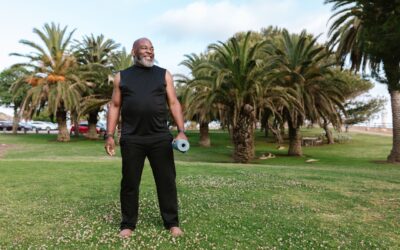

You’ve probably heard that staying active is good for your heart, your waistline, and your mood. But when it comes to prostate health, many men wonder if hitting the gym or going for a daily walk actually makes a difference. The short answer is yes, and the evidence is stronger than you might think. In this guide, we break down how exercise impacts prostate health, which workouts are most beneficial, and how to build a routine that works for you.
Whether you’re concerned about prostate enlargement, prostatitis, or simply want to lower your risk of prostate cancer, regular physical activity can play a key role. We’ll also touch on how exercise complements other healthy habits, like a balanced diet and proper supplementation. For a broader look at natural ways to support your body, check out our guide on natural energy boosters for men.
Buying Guide: What to Look for in an Exercise Routine for Prostate Health
Not all exercises are created equal when it comes to prostate health. Here are the key factors to consider when designing your fitness plan.
1. Aerobic Intensity and Duration
Moderate to vigorous aerobic exercise, such as brisk walking, jogging, cycling, or swimming, has been linked to lower levels of prostate-specific antigen (PSA) and reduced inflammation. Aim for at least 150 minutes of moderate activity or 75 minutes of vigorous activity per week, as recommended by health authorities.
Consistency matters more than intensity. Even a daily 30-minute walk can make a significant difference over time. If you’re just starting, build up gradually to avoid injury.
2. Pelvic Floor Exercises
Pelvic floor exercises, often called Kegels, are essential for men dealing with urinary symptoms from an enlarged prostate. These exercises strengthen the muscles that support the bladder and urethra, improving control and reducing leakage.
To perform a Kegel, tighten the muscles you use to stop urination, hold for 5 seconds, then relax. Repeat 10 times, three times a day. You can do these anywhere, and they complement other treatments. For more on bladder support, see our bladder support guide.
3. Strength Training and Core Stability
Resistance training, including weight lifting, helps maintain muscle mass, which is crucial for overall metabolic health. Strong core muscles also support proper posture and reduce pressure on the pelvic region.
Focus on compound movements like squats, deadlifts, and lunges, but avoid heavy lifting that causes excessive straining, as this can increase intra-abdominal pressure and worsen urinary symptoms. Always use proper form and consider working with a trainer if you’re new to lifting.
4. Flexibility and Stress Reduction
Activities like yoga and tai chi not only improve flexibility but also reduce stress, which can have a direct impact on prostate health. Chronic stress elevates cortisol levels, which may contribute to inflammation and hormonal imbalances.
Incorporating mind-body practices can help you relax and improve your overall well-being. Plus, they’re easy to do at home with minimal equipment. For an extra energy boost to fuel your workouts, consider natural energy supplements that are caffeine-free.
Final Thoughts
Exercise is a powerful, natural way to support prostate health. It helps regulate hormones, reduce inflammation, and improve urinary symptoms. While no single workout is a magic bullet, a combination of aerobic activity, pelvic floor exercises, strength training, and stress reduction offers the best results.
Remember that exercise works best alongside other healthy habits, such as a nutrient-rich diet, adequate sleep, and regular check-ups. If you’re also looking to boost your overall vitality, our B12 supplement guide offers helpful insights.
Start small, stay consistent, and listen to your body. Over time, you’ll likely notice improvements not just in your prostate health, but in your energy levels and quality of life. For more tips on maintaining energy and stamina, explore our energy and stamina resources.
Frequently Asked Questions
Can exercise shrink an enlarged prostate?
Exercise cannot shrink an enlarged prostate directly, but it can help reduce the symptoms. Regular physical activity improves blood flow, reduces inflammation, and strengthens pelvic floor muscles, which can ease urinary discomfort. Always consult your doctor for medical advice.
What is the best exercise for prostate health?
The best exercise is one you enjoy and can sustain. Aerobic activities like brisk walking, swimming, or cycling are excellent for overall health. Pelvic floor exercises are specifically beneficial for urinary control. A mix of both is ideal.
How often should I exercise to see prostate benefits?
Aim for at least 150 minutes of moderate aerobic activity per week, plus two or three days of strength training. Consistency is key. Even short daily walks can make a difference over time.
Can exercise prevent prostate cancer?
While exercise cannot guarantee prevention, studies suggest that men who are physically active have a lower risk of developing aggressive prostate cancer. Exercise also helps maintain a healthy weight, which is another protective factor. For more on supporting your body naturally, see our bladder control supplement guide.