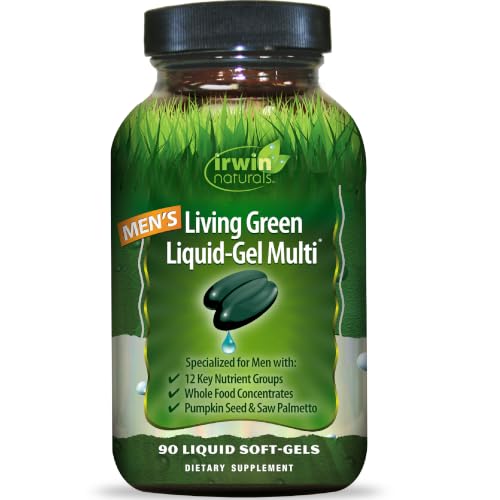

You hit 40 and suddenly your energy dips, recovery takes longer, and that middle‑age spread becomes harder to fight. It is not just in your head; your body’s production of key nutrients like vitamin D, magnesium, and CoQ10 starts to decline. The right daily supplements for men over 40 can bridge those gaps without turning your kitchen into a pharmacy. This guide covers the most science‑backed nutrients to consider, how to choose quality products, and what to watch out for. If you want a complete system, check out our recommended supplement stack for men over 40 for a more detailed breakdown.
Buying Guide
Nutrient Completeness
Not all supplements are created equal. Look for formulas that provide a full spectrum of vitamins and minerals rather than single‑nutrient fixes. A good multivitamin should include vitamin D, magnesium, zinc, B vitamins, and antioxidants like vitamin C and E. Many men over 40 also benefit from added CoQ10 for heart health and energy production. Always check the label for forms that are easily absorbed, such as magnesium glycinate instead of oxide.
Third‑Party Verification
Because supplements are not strictly regulated by the FDA, you want products that have been independently verified for purity and potency. Look for seals from USP, NSF International, or ConsumerLab. These certifications confirm that what is on the label matches what is in the bottle, and that the product is free from harmful contaminants. For a deeper dive into quality standards, read our healthy aging supplement stack guide.
Targeted Support for Common Concerns
Men over 40 often face specific issues: declining testosterone, joint stiffness, prostate health, and digestive changes. Look for supplements that address these areas without overcomplicating your routine. For example, ashwagandha and fenugreek can support healthy testosterone levels, while glucosamine and chondroitin help maintain joint comfort. Digestive enzymes and probiotics become more important as your gut microbiome shifts. Our digestive supplements for aging men article covers that topic in detail.
Form and Convenience
Daily supplements only work if you actually take them. Capsules, tablets, powders, and gummies all have pros and cons. Capsules are easy to swallow and dose precisely, while powders can be mixed into shakes for a faster start. If you travel often, consider packets or blister packs. Also, check the number of pills per serving: a once‑daily multivitamin is far easier to stick with than a six‑pill regimen. For athletes, amino acid supplements can be a smart addition; see our best amino acid supplement on amazon picks.
Final Thoughts
Choosing the right daily supplements for men over 40 does not have to be complicated. Focus on a high‑quality multivitamin that fills the gaps, then add targeted nutrients for your biggest concerns. Remember that consistency matters more than perfection, and always consult your doctor before starting any new regimen, especially if you take medication. The best approach is one that fits your lifestyle and health goals.
Frequently Asked Questions
Do men over 40 really need a daily multivitamin?
Yes, because aging reduces absorption of several key vitamins and minerals. A good multivitamin fills nutritional gaps that diet alone may not cover, especially for vitamin D, magnesium, and B12. In 2026, many experts recommend a multivitamin as a baseline for men over 40.
Can supplements replace a healthy diet?
No. Supplements are meant to complement, not replace, a nutrient‑dense diet. Think of them as insurance for the days when your meals are less than ideal. Focus on whole foods first, then use supplements to address specific deficiencies or age‑related declines.
What is the most important supplement for men over 40?
Vitamin D is often cited as the most critical because many men are deficient, and it supports immunity, bone health, and mood. Magnesium is a close second for muscle function, sleep, and stress regulation. For a complete protocol, see our longevity supplement stack for men.
How long does it take to see results from daily supplements?
It varies by nutrient and your starting level. Some, like B vitamins and magnesium, can improve energy within a week or two. Others, like vitamin D and omega‑3s, may take several months to reach optimal levels. Consistency is key; give any new supplement at least 8 to 12 weeks before evaluating its effects.