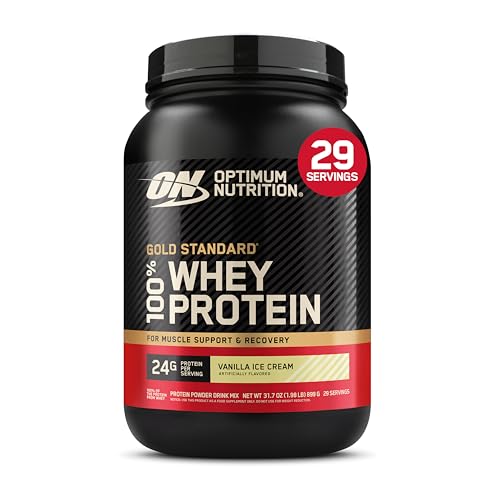

You are in your forties, still hitting the gym hard, but recovery feels slower than it used to. Muscle soreness lingers longer, and those gains you once chased seem harder to hold onto. This is where branched-chain amino acids (BCAAs) can make a real difference. In this guide, we break down what to look for in the best BCAA for men over 40, focusing on quality, ingredient transparency, and how these supplements support your changing body. Whether you are new to BCAAs or looking to upgrade your stack, we have you covered.
For more context on how BCAAs fit into a complete workout routine, check out our guide on BCAA supplements for men who workout.
Buying Guide: What to Look for in a BCAA for Men Over 40
Amino Acid Ratio and Profile
The classic 2:1:1 ratio of leucine, isoleucine, and valine is a solid starting point. Leucine is the key driver of muscle protein synthesis, which becomes even more important as you age. Some products also include additional amino acids like glutamine or citrulline for extra recovery and blood flow support. Look for a supplement that clearly lists the exact milligram amounts per serving, not just a proprietary blend.
If you are curious about how BCAAs compare to other recovery aids, our article on the best BCAA for workout recovery provides a deeper dive.
Purity and Third-Party Certification
For men over 40, avoiding unnecessary additives is wise. Many BCAAs come loaded with artificial sweeteners, colors, or fillers that can upset your stomach or interfere with your diet. Seek out products that are third-party validated for purity, such as those carrying the Informed Sport or NSF Certified for Sport seal. This ensures what is on the label matches what is in the bottle.
Form: Powder vs. Capsules
Powders offer faster absorption and are easier to mix into your post-workout shake, but they often contain flavorings. Capsules are convenient for travel and have no taste, but you may need to swallow several to get an effective dose. Consider your lifestyle: if you are always on the go, capsules may be the better choice; if you want precise dosing and easy mixing, powders win.
Additional Ingredients for Aging Men
Some BCAAs now include ingredients like vitamin D, magnesium, or electrolytes to support bone health and hydration, both critical after 40. Others add adaptogens such as ashwagandha to help manage cortisol and stress. While not essential, these extras can add value. For a broader look at supplements that support healthy aging, read our guide on sports nutrition supplements for healthy aging.
Final Thoughts
Choosing the best BCAA for men over 40 comes down to your specific needs: whether you prioritize a clean ingredient list, a proven amino acid ratio, or added nutrients for overall health. While we cannot point to a single top pick without evaluating current products, we recommend looking for a powder with a verified 2:1:1 ratio and third-party certification, and a capsule option for convenience. Both will serve you well in supporting muscle recovery and performance as you age.
Frequently Asked Questions
Are BCAAs effective for men over 40?
Yes, BCAAs can help reduce muscle soreness and support recovery, especially as natural protein synthesis slows with age. They are most effective when combined with a balanced diet and consistent training. For more details, see our overview of sports nutrition for aging men.
What is the ideal BCAA ratio for older men?
The 2:1:1 ratio (leucine, isoleucine, valine) is widely recommended. Leucine is especially important for stimulating muscle protein synthesis, which becomes more critical after 40. Some products offer a higher leucine ratio, but 2:1:1 is a proven starting point.
Can I take BCAAs every day?
Yes, BCAAs are safe for daily use when taken as directed. They are water-soluble and excess amounts are excreted. However, they should not replace whole food protein sources. Use them as a supplement to support your training and recovery, not as a meal replacement.
Do BCAAs interfere with medications?
BCAAs are generally safe, but if you take medications for blood sugar or blood pressure, consult your doctor. High doses may affect glucose metabolism. Always check with a healthcare professional before starting any new supplement, especially if you have underlying health conditions.