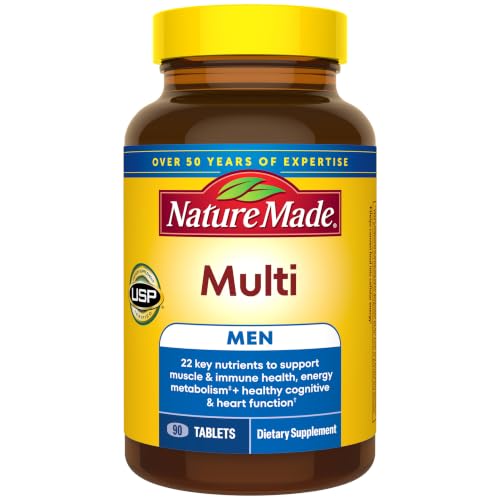

Turning 40 often brings a shift in how you feel. Energy levels dip, recovery after workouts takes longer, and you might notice changes in your heart health or bone density. That is why finding the right vitamins for men over 40 becomes essential. This guide breaks down the key nutrients you need to support vitality, strength, and long-term wellness. We also share practical buying advice to help you choose supplements that truly work. For more on how your nutritional needs evolve with age, check out our guide on best vitamins for older men.
Buying Guide: What to Look for in Vitamins for Men Over 40
Vitamin D and Calcium for Bone Health
After 40, bone density naturally declines, raising the risk of fractures. Vitamin D helps your body absorb calcium, making this duo critical for maintaining strong bones. Look for a supplement that provides at least 600 IU of vitamin D and 500 mg of calcium per serving. Many men also benefit from added vitamin K2, which directs calcium to bones rather than arteries.
If you spend limited time in the sun, a standalone vitamin D supplement can be a smart addition. For a deeper look at how magnesium supports bone health, read our article on magnesium glycinate benefits for men.
B Vitamins for Energy Metabolism
B vitamins, especially B6, B12, and folate, play a central role in converting food into energy. As you age, your body may absorb B12 less efficiently from food sources. A good multivitamin for men over 40 should include a complete B complex. This helps combat fatigue and supports brain function.
Active men may need extra B vitamins to fuel workouts. Our guide on best vitamins for active men covers this in more detail.
Magnesium for Muscle and Heart Health
Magnesium is involved in over 300 biochemical reactions, including muscle contraction, nerve function, and heart rhythm regulation. Men over 40 often fall short in this mineral. Magnesium glycinate is a highly absorbable form that is gentle on the stomach and supports restful sleep. For more on different forms, see our article on types of magnesium for men.
Evening supplementation can also improve sleep quality, which is vital for recovery and hormonal balance. Learn more in our piece on magnesium at night for men.
Omega-3 Fatty Acids for Heart and Brain
Omega-3s, particularly EPA and DHA, reduce inflammation, support cardiovascular health, and may protect cognitive function. Men over 40 should aim for at least 500 mg of combined EPA and DHA daily. Fish oil or algae-based supplements are excellent sources. If you follow a plant-based diet, look for algal oil.
For more on heart health, you can explore our bladder support section, which also touches on overall wellness.
Final Thoughts
Choosing the right vitamins for men over 40 is about targeting your specific needs. A high-quality multivitamin that includes vitamin D, B complex, magnesium, and omega-3s can cover the basics. If you have unique concerns like joint health or stress, consider adding targeted supplements. Focus on reputable brands that use third-party verified ingredients. Your health after 40 deserves a proactive approach, and the right supplements can make a real difference.
Frequently Asked Questions
What vitamins should men over 40 take daily?
A well-rounded multivitamin for men over 40 should include vitamin D, calcium, magnesium, B vitamins, and omega-3s. These support bone density, energy, heart health, and brain function. Individual needs vary, so consult with a healthcare provider for personalized advice.
Is a multivitamin enough for men over 40?
A multivitamin can cover many nutritional gaps, but it may not provide enough of certain nutrients like magnesium or omega-3s. Depending on your diet and lifestyle, you might need additional supplements. For instance, active men often benefit from extra B vitamins and electrolytes. Check our guide on top multivitamins for male athletes for more insights.
Are there any side effects of vitamins for men over 40?
Most vitamins are safe when taken as directed, but high doses can cause side effects. For example, too much vitamin D can lead to calcium buildup, and excessive iron may cause digestive issues. Stick to recommended daily allowances and choose supplements that are third-party verified for purity.
Should I take individual supplements or a multivitamin?
If you have a specific deficiency or health goal, individual supplements may be more effective. For general support, a high-quality multivitamin is convenient and cost-effective. Many men over 40 combine a multivitamin with extra magnesium and omega-3s for optimal results.