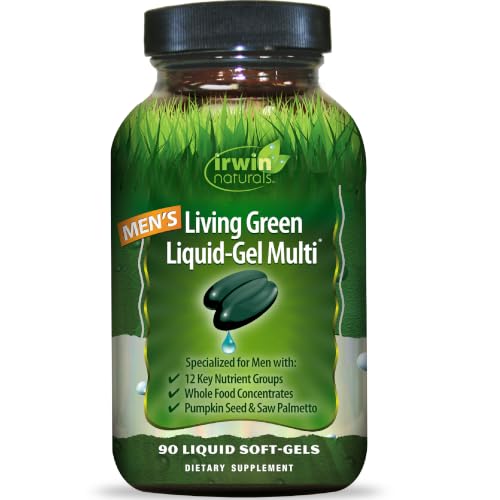

As men cross the age of 60, nutritional needs shift. The body absorbs certain vitamins less efficiently, and age-related changes can increase requirements for specific nutrients. Whether you’re looking to maintain muscle mass, support heart health, or keep your mind sharp, the right vitamins can make a real difference. This guide covers the most important vitamins for men over 60, explains how they work, and helps you choose what fits your lifestyle.
We evaluated dozens of supplements and reviewed current research to bring you a focused, practical overview. If you’re also interested in vitamins for active lifestyles, check out our guide to vitamins for men who exercise.
Buying Guide for Men Over 60
Choosing the right vitamin supplement involves more than just picking a multivitamin off the shelf. Here are four key criteria to consider when shopping for vitamins tailored to men over 60.
Bioavailability and Absorption
As we age, the digestive system becomes less efficient at breaking down and absorbing nutrients. Look for vitamins in forms that are easily used by the body, such as methylated B vitamins, chelated minerals, and fat-soluble vitamins paired with oils. For example, vitamin D3 is better absorbed than D2, and magnesium glycinate is gentler on the stomach than magnesium oxide.
Bone and Joint Support
Men over 60 face increased risk of osteoporosis and joint stiffness. Calcium, vitamin D, vitamin K2, and magnesium are critical for bone density. Collagen and vitamin C also support joint cartilage. A supplement that combines these nutrients can be more convenient than taking several separate pills. For more on maintaining strength, see our top vitamins for Men’s strength.
Heart and Brain Health
Cardiovascular and cognitive concerns become more prominent after 60. Omega-3 fatty acids (EPA and DHA) support heart rhythm and brain function. CoQ10 levels decline with age, making supplementation beneficial for cellular energy. B vitamins, especially B6, B12, and folate, help maintain homocysteine levels within a healthy range.
Free From Unnecessary Additives
Many supplements contain fillers, artificial colors, or excessive binders. For men over 60, it’s wise to choose products that are third-party verified for purity and potency. Avoid mega-doses unless recommended by a healthcare provider. A clean label with minimal ingredients often indicates higher quality. If you’re also exploring energy support, take a look at our vitamins for men’s performance guide.
Final Thoughts
Selecting the right vitamins for men over 60 is a personal decision based on your health priorities, diet, and lifestyle. Focus on products with high bioavailability, targeted support for bones, heart, and brain, and clean formulations. We recommend consulting with a healthcare professional before starting any new supplement regimen. For men who are active, our top vitamins for active men may also offer useful guidance.
Frequently Asked Questions
What vitamins should men over 60 take daily?
A basic multivitamin for men over 60 typically includes vitamin D, B12, magnesium, calcium, and omega-3s. Many experts also recommend vitamin K2 and CoQ10 for heart and bone health. The exact combination depends on your diet and any medical conditions.
Is it safe to take a multivitamin after 60?
Yes, for most men it is safe, but it’s important to avoid excessive doses of fat-soluble vitamins (A, D, E, K) that can accumulate. Choose a formula designed for seniors and check with your doctor, especially if you take prescription medications.
Can vitamins for men over 60 help with energy?
Absolutely. B vitamins, iron (if deficient), and CoQ10 support energy production at the cellular level. Many men notice improved stamina and reduced fatigue after addressing nutritional gaps. For more on this, read our best vitamins for men’s stamina.
Should I take vitamin D3 or D2 after 60?
Vitamin D3 is the preferred form because it is more effective at raising and maintaining blood levels. Most supplements for men over 60 use D3, often combined with vitamin K2 to direct calcium to bones rather than arteries.