
You have just turned 50 and noticed that trips to the bathroom are more frequent, especially at night. Maybe you feel a slight hesitation when you start urinating. These subtle changes can raise a quiet worry about prostate health. This guide provides practical, evidence-informed steps to support your prostate as you age, focusing on diet, activity, supplements, and routine care. For those also managing bladder comfort, our top bladder control supplements for men may offer additional support.
Key Factors for a Healthy Prostate After 50
Diet and Nutrition Choices
What you eat directly influences prostate inflammation and cell health. Focus on a diet rich in vegetables, fruits, whole grains, and healthy fats. Lycopene from cooked tomatoes, zinc from pumpkin seeds, and omega-3s from fatty fish are linked to lower risk of prostate enlargement. Reduce red meat and processed foods, which can promote inflammation. Staying hydrated is also crucial, but limit fluids in the evening to reduce nighttime urination.
Aim for a colorful plate at every meal. Include cruciferous vegetables like broccoli and cauliflower, which contain sulforaphane, a compound studied for its protective effects. Berries and green tea offer antioxidants that combat oxidative stress. If you need an energy boost without caffeine, our best supplements for sustained energy without caffeine can help maintain vitality while you follow a prostate-friendly diet.
Physical Activity and Weight Management
Regular exercise helps maintain a healthy weight, which reduces pressure on the prostate and lowers inflammation. Moderate aerobic activity, such as brisk walking or cycling for 30 minutes daily, improves circulation and hormonal balance. Strength training twice a week also supports muscle mass and metabolic health. Avoid prolonged sitting; take breaks to stand and stretch every hour.
Pelvic floor exercises, often called Kegels, can strengthen the muscles that support the bladder and prostate. These are particularly helpful if you experience urinary urgency or leakage. Combine them with your regular workout routine for best results.
Supplements and Key Nutrients
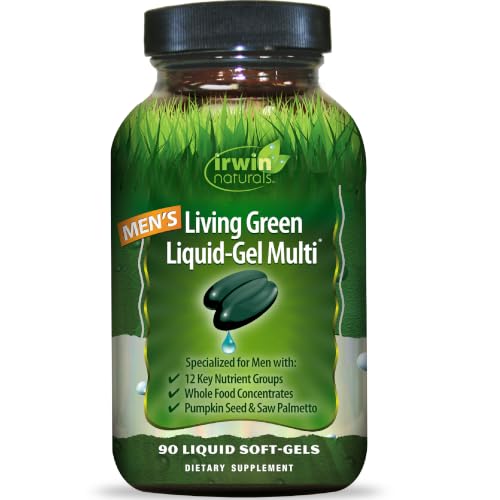
While a balanced diet is foundational, certain supplements can fill gaps. Saw palmetto is widely used to support urinary function and reduce prostate size. Beta-sitosterol, a plant sterol, may improve urinary flow and comfort. Zinc and selenium are essential minerals for prostate cell health. Vitamin D, often low in men after 50, plays a role in immune regulation.
Always consult a healthcare provider before starting any supplement, especially if you take medications. For those seeking overall vitality, our best B12 supplement for energy in men can be a smart addition to your daily routine.
Regular Health Screenings
Routine check-ups with your primary care physician or urologist are essential. Starting at age 50, discuss prostate-specific antigen (PSA) screening and digital rectal exams. These evaluations help detect issues early, when they are most manageable. If you have a family history of prostate conditions, consider starting screenings earlier.
Stay proactive about your overall health. Conditions like diabetes and obesity can worsen prostate symptoms. Managing blood sugar and cholesterol through lifestyle and medication (if needed) benefits your prostate as well.
Final Thoughts
Keeping your prostate healthy after 50 is a multifaceted journey. No single product or pill can replace a consistent routine of nutritious eating, regular movement, targeted supplements, and medical oversight. The strategies outlined above are grounded in current research and practical experience.
We have not found any specific products for this review, but the general recommendations here apply to most men. Focus on whole foods, stay active, and consider supplements like saw palmetto or zinc after consulting your doctor. For natural energy support alongside your prostate care, see our best natural energy booster for men guide. Your prostate health is a long-term investment, and every small step counts.
Frequently Asked Questions
Can diet really prevent prostate problems? While diet cannot guarantee prevention, a Mediterranean-style pattern rich in fruits, vegetables, and healthy fats is associated with lower risk of prostate enlargement and inflammation. Combined with other healthy habits, it offers strong protective benefits.
What supplements are most effective for prostate health in 2026? Saw palmetto, beta-sitosterol, zinc, and nettle root are among the most studied natural options. Always choose products from reputable brands and consult a healthcare professional for personalized advice.
How often should I have my prostate checked after 50? The American Urological Association recommends discussing PSA screening with your doctor starting at age 50 (or earlier if high risk). Frequency depends on your baseline PSA level and risk factors; many men have a blood test every one to two years.
Does exercise help reduce prostate size? Regular physical activity, especially aerobic exercise, can help manage weight and reduce inflammation, which may slow prostate growth. Pelvic floor exercises also improve urinary symptoms by strengthening surrounding muscles.