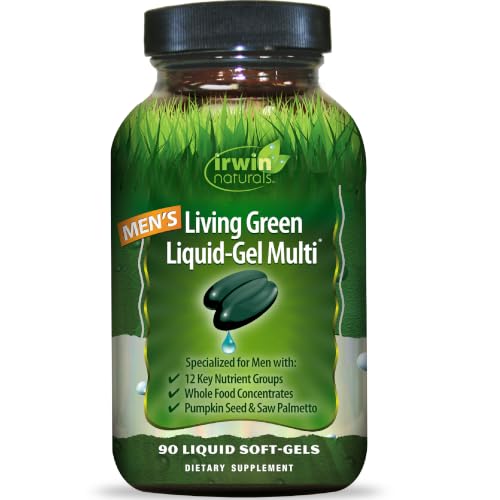

You’re 55, and suddenly you’re mapping out every bathroom on your route. Or you’re 45 and waking up twice a night to pee, wondering if it’s normal. For most men, the prostate gland grows as they age, and that growth can quietly change daily life. This guide breaks down exactly how the prostate changes with age, what symptoms to expect, and which steps can help you stay in control.
We’ll cover the science behind prostate enlargement, what’s considered normal versus a warning sign, and practical strategies for keeping your urinary and sexual health on track. Whether you’re just starting to notice changes or you’re proactively looking to understand your body better, this guide is for you. And if you’re also exploring ways to support your prostate and overall vitality, you might find our guide to natural energy boosters useful, since energy and prostate health often go hand in hand.
Buying Guide: What to Look for When Choosing a Prostate Supplement
While no supplement can replace medical advice, many men turn to natural ingredients to support prostate health. If you’re considering one, here’s what to evaluate before you buy.
Key Ingredients: Saw Palmetto, Beta-Sitosterol, and More
Look for clinically studied compounds like saw palmetto, which may help reduce urinary symptoms associated with an enlarged prostate. Beta-sitosterol is another popular choice for improving urine flow. Pygeum and stinging nettle extract also show promise in traditional use and some research.
Always check the label for dosage and standardized extracts. A quality product will list the amount of each active ingredient, not just a proprietary blend. If you’re unsure what to look for, our review of natural energy boosters for men offers similar guidance on choosing supplements wisely.
Third-Party Verification and Quality Assurance
Choose supplements that are independently verified for purity and potency. Look for certifications from organizations like NSF International or Informed Choice. These third-party seals confirm that what’s on the label matches what’s in the bottle.
Avoid products with artificial fillers, colors, or unnecessary additives. A clean, transparent formula is always a safer bet. For more on what to avoid, check out our list of caffeine-free energy supplements, which also emphasizes clean labeling.
Brand Reputation and Customer Feedback
Stick with brands that have been around for years and have a solid track record. Read customer reviews on independent platforms to gauge real-world effectiveness. Keep an eye out for consistent feedback regarding symptom relief and minimal side effects.
Be wary of any product that promises overnight cures or drastic changes. Prostate health is a long-term game. A reputable brand will provide honest information and reasonable expectations.
Final Thoughts
Understanding how the prostate changes with age is the first step toward proactive health. While some degree of enlargement is common, you don’t have to accept a declining quality of life. Regular check-ups, a balanced diet, and targeted supplements can make a meaningful difference.
If you’re exploring support options, consider natural supplements that address urinary flow, nighttime urination, and overall prostate comfort. Always discuss new supplements with your healthcare provider, especially if you’re on medication. And for more tips on boosting your energy and vitality as you age, explore our guide to B12 for men and bladder support supplements.
Remember, aging is inevitable, but feeling your best is not. With the right knowledge and tools, you can navigate prostate changes with confidence and keep living life on your terms.
Frequently Asked Questions
At what age does the prostate start to enlarge?
Most men start to experience some prostate enlargement after age 40, with symptoms often becoming more noticeable in their 50s and 60s. However, the exact age varies widely. By age 60, about 50% of men have some signs of BPH, and that number climbs to 90% by age 85.
Can prostate changes affect sexual function?
Yes, an enlarged prostate can contribute to erectile dysfunction and ejaculatory issues, though it’s not always the direct cause. The same hormonal shifts that affect prostate growth can also impact erectile tissue. If you’re experiencing sexual symptoms, talk to your doctor, as effective treatments are available.
Are there natural ways to slow prostate enlargement?
Some studies suggest that a diet rich in fruits, vegetables, and healthy fats may help. Regular exercise, maintaining a healthy weight, and staying hydrated are also beneficial. Certain supplements like saw palmetto and beta-sitosterol may support prostate health, but they are not a cure. Always consult your healthcare provider before starting any new supplement, especially if you have existing health conditions.
When should I see a doctor about prostate symptoms?
If you notice blood in your urine, painful urination, or a sudden inability to urinate, seek medical help immediately. For more gradual symptoms like frequent nighttime urination or a weak stream, it’s wise to schedule a check-up. Early evaluation can rule out more serious conditions and help you manage symptoms effectively.