

You are standing in the supplement aisle, staring at two jars. One says “inulin.” The other says “FOS.” Both promise better gut health, but which one actually delivers? If you have ever felt confused about prebiotic fibers, you are not alone. In this guide, we break down the differences between inulin and FOS, review two top-rated products, and help you decide which prebiotic supplement fits your routine. Whether you are new to gut health or looking to upgrade your current regimen, this comparison has you covered. For more on how prebiotic fibers stack up against other options, check out our prebiotic fiber vs regular fiber guide.

Pros
- Organic and non-GMO certification ensures purity and quality.
- Dissolves clear without clumping or altering flavor, ideal for beverages.
- No additives, preservatives, or common allergens like gluten or soy.
- Generous 2.2-pound package offers excellent value for daily use.
- Scoop included for precise serving sizes every time.
Cons
- May cause mild bloating or gas when first introducing high-fiber supplements to the diet.
- Some users might prefer a flavored option for better taste in plain water.
- Not suitable for those with FODMAP sensitivities or certain digestive conditions.
Micro Ingredients Organic Inulin FOS Fiber Powder is a versatile prebiotic supplement designed to support digestive health through a natural, water-soluble fiber source. This product is ideal for health-conscious individuals, vegans, and anyone looking to increase their daily fiber intake without the hassle of pills or unpleasant textures.
The standout feature of this inulin powder is its ability to dissolve completely clear in any liquid, making it effortless to add to water, coffee, smoothies, or even baked goods without altering taste or appearance. The prebiotic FOS (fructooligosaccharides) content feeds beneficial gut bacteria, promoting regularity and overall digestive wellness.
Packaged in a 2.2-pound resealable bag, the powder comes with a scoop for easy measuring. The formula is organic, non-GMO, and free from gluten, soy, artificial additives, and preservatives, appealing to those with dietary restrictions or clean-label preferences. The powder form allows for higher concentration and quicker absorption compared to capsules.
A potential drawback is that some users may experience mild digestive discomfort when first introducing a high-fiber supplement. Additionally, individuals with FODMAP sensitivities should consult a healthcare provider before use. The unflavored nature may not suit those who prefer a sweetened product.
Overall, Micro Ingredients Organic Inulin FOS Fiber Powder delivers a high-quality, user-friendly prebiotic fiber that integrates seamlessly into daily routines. It is a reliable choice for boosting fiber intake and supporting gut health with minimal fuss.
Pros
- High concentration of FOS (95%) for potent prebiotic effects
- Supports both regularity and overall gut microbiome balance
- Unflavored powder mixes easily into hot or cold foods and drinks
Cons
- May cause temporary gas or bloating when first starting due to increased fiber intake
- No flavoring means it may be less palatable on its own compared to flavored prebiotics
- Limited customer reviews available to gauge real-world experiences
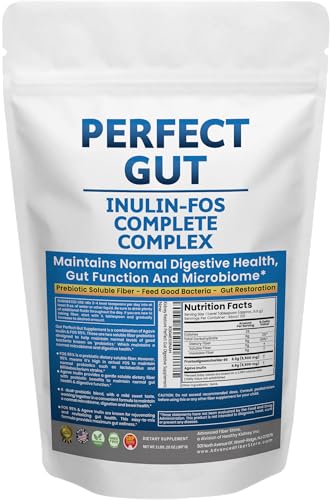
Perfect Gut by Kidney Restore is a prebiotic powder designed to support digestive health through a blend of inulin and 95% FOS (fructooligosaccharides) derived from agave. This high-FOS formulation stands out in the crowded prebiotic market because it provides a concentrated source of fuel for beneficial gut bacteria, such as lactobacillus and bifidobacterium. It is an excellent choice for anyone seeking to improve regularity, reduce digestive discomfort, or maintain a healthy microbiome.
What makes this product unique is its dual-ingredient approach: it combines inulin with a separate FOS component to maximize prebiotic activity. Most inulin supplements contain only low levels of FOS, but Perfect Gut delivers 95% FOS, which means a more potent effect on gut flora. Users can expect support for smoother digestion, more consistent bowel movements, and overall gut rejuvenation. The powder is also a soluble fiber, adding a gentle bulk to stools without harsh laxative effects.
In terms of usability, the unflavored powder mixes easily into smoothies, yogurt, coffee, or baked goods, making it a versatile addition to any diet. The 2-pound container provides a generous supply for daily use. However, beginners should start with a small dose to allow the digestive system to adjust, as increased fiber intake can initially cause gas or bloating. The lack of flavoring might be a minor drawback for those who prefer a sweet or fruity taste in their supplements.
While the product has no customer reviews yet, its formulation is backed by established prebiotic science. The brand Kidney Restore is known for kidney-friendly supplements, so this product aligns with a health-conscious audience. Potential cons include the need for gradual introduction and the absence of taste enhancers. Overall, Perfect Gut offers a high-potency prebiotic option for those serious about gut health.
Verdict: If you are looking for a powerful, science-backed prebiotic with high FOS content, Perfect Gut is a solid investment. It delivers on its promise to feed good gut bacteria and support digestive comfort. Just be prepared to start slow and mix it into your favorite foods or drinks. With its bulk size and effective formula, it earns a strong recommendation for daily gut maintenance.
Buying Guide
Prebiotic Activity Level
Not all prebiotics are created equal. The key difference between inulin and FOS lies in their chain length and how they feed your gut bacteria. Inulin has longer chains, which means it ferments more slowly and reaches the lower colon. FOS has shorter chains, so it ferments quickly in the upper gut. For a balanced approach, look for a product that combines both. Our prebiotics vs psyllium husk article explains how these fibers differ from traditional bulking agents.
Digestive Comfort
Starting a new fiber supplement can sometimes cause gas or bloating. Products with a higher FOS content may trigger more rapid fermentation, which some people find uncomfortable. Inulin, with its slower fermentation, is often gentler. If you have a sensitive stomach, choose a formula that allows you to start with a small dose and gradually increase. Learn more about how different fibers affect digestion in our prebiotics vs fiber comparison.
Versatility and Mixability
Prebiotic powders should dissolve easily in your favorite beverages. Some products clump in cold liquids, while others blend smoothly. Both inulin and FOS are water-soluble, but the particle size and processing can affect how well they mix. If you plan to add the powder to smoothies, coffee, or yogurt, check for a fine, quick-dissolving texture. For a roundup of top fiber powders, see our best fiber powder for men list.
Purity and Additives
Many prebiotic supplements contain fillers, artificial flavors, or preservatives. A clean label with no GMOs, gluten, or soy is ideal. Both inulin and FOS are naturally derived from plants like chicory root or agave, but always verify the ingredient list. Products that are organic and free from additives tend to be better tolerated. For more on choosing clean supplements, visit our best fiber with prebiotics guide.
Final Thoughts
Choosing between inulin and FOS does not have to be complicated. If you want a versatile, gentle prebiotic that mixes easily into your daily routine, Micro Ingredients Organic Inulin FOS Fiber Powder offers a balanced blend with a high rating and clean ingredients. For those who need a higher FOS concentration to maximize prebiotic activity and support stubborn digestive issues, Perfect Gut: Inulin FOS Powder for Gut Health. delivers a potent 95% FOS formula from agave. Both products are excellent choices, so pick the one that matches your specific gut health goals.
Frequently Asked Questions
What is the difference between inulin and FOS?
Inulin and FOS are both prebiotic fibers, but they differ in molecular chain length. Inulin has longer chains and ferments slowly, while FOS has shorter chains and ferments quickly. Many supplements combine both for a comprehensive gut health boost.
Which is better for bloating: inulin or FOS?
Inulin is often gentler on the stomach because it ferments more slowly, reducing the risk of gas and bloating. FOS can cause more rapid fermentation, which may lead to discomfort in sensitive individuals. Starting with a low dose can help your gut adjust.
Can I take inulin and FOS together?
Yes, many high-quality prebiotic supplements combine inulin and FOS to provide both quick and sustained prebiotic activity. This combination supports a diverse range of beneficial bacteria throughout your digestive tract.
How much inulin or FOS should I take daily in 2026?
Most experts recommend starting with 2 to 5 grams per day and gradually increasing to 10 grams as tolerated. Always follow the dosage instructions on your specific product and listen to your body. For more guidance, read our article on best fiber powder for men.


