
As men enter their 60s, digestive changes become more pronounced. Slower motility, reduced stomach acid, and medication use can lead to constipation and irregularity. Fiber supplements offer a convenient way to support regularity, but not all are suited for older men. This guide breaks down the key considerations for choosing the best fiber supplements for men over 60, focusing on safety, efficacy, and digestive comfort.
Fiber needs vary by individual, but most men over 60 require at least 30 grams daily. Supplements can fill the gap. Whether you prefer a gentle soluble fiber or a bulk-forming insoluble fiber, understanding the differences is crucial. For a deeper dive into one popular option, see our review of top psyllium husk capsules.
Buying Guide for Fiber Supplements
Soluble vs. Insoluble Fiber: Which Matters More?
Soluble fiber dissolves in water to form a gel, slowing digestion and helping with blood sugar control. Insoluble fiber adds bulk to stool and speeds transit time. For men over 60, a balanced blend often works best. However, those with digestive sensitivity may prefer primarily soluble fiber. Check our guide on top soluble fiber supplements for detailed comparisons.
Insoluble fiber is found in wheat bran and cellulose. It can be harsh for some. If you have diverticulitis or a history of bowel issues, start with a soluble fiber like psyllium and gradually introduce insoluble. Our list of top insoluble fiber supplements provides options for those who tolerate it well.
Fiber Source and Purity
The source of fiber matters greatly. Psyllium husk is a classic, evidence-backed soluble fiber. Other sources include inulin, methylcellulose, and wheat dextrin. For men over 60, look for supplements with minimal additives, sweeteners, and artificial ingredients. Organic options are available. Always check the label for allergens like gluten if you have sensitivities.
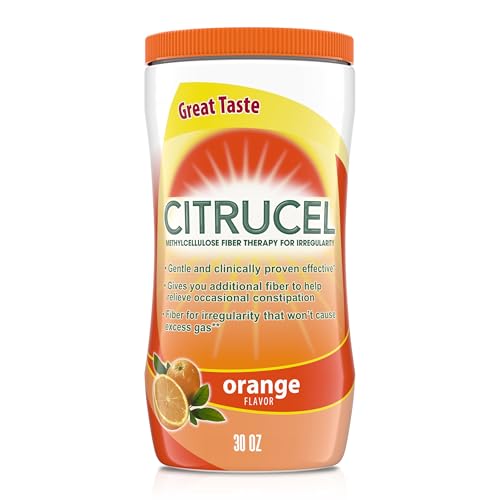
Methylcellulose is a gentle, non-fermentable fiber that causes less gas. Inulin is prebiotic but may cause bloating in some. Choose based on your tolerance and lifestyle. For more on digestive health strategies, visit our Digestive Health category.
Additional Ingredients: Probiotics and Enzymes
Some fiber supplements include added probiotics or digestive enzymes. Probiotics support gut flora balance, which often declines with age. Enzymes can aid digestion of proteins and fats. If you experience bloating or indigestion after meals, a fiber blend with enzymes might help. Learn how these components work in our article on how digestive enzymes work.
Be cautious with combination products: they may be more expensive and not always necessary. Start with a pure fiber supplement and add other components only if needed. For timing advice, see When to Take Digestive Enzymes.
Final Thoughts
Choosing the right fiber supplement for men over 60 comes down to your digestive comfort, health goals, and tolerance. A soluble fiber like psyllium works well for most, while a gentler option like methylcellulose suits sensitive stomachs. Always increase fiber gradually and drink plenty of water. Consult your doctor before starting any new supplement, especially if you take medications that may interact with fiber.
Frequently Asked Questions
How much fiber should a man over 60 take daily?
Men over 60 should aim for at least 30 grams of total fiber per day from food and supplements. Start with a lower supplement dose and slowly increase to avoid gas and bloating. In 2026, updated guidelines from health organizations continue to emphasize fiber for heart and bowel health.
What type of fiber is best for constipation in older men?
Soluble fiber like psyllium or methylcellulose is often best for relieving constipation without adding irritation. Insoluble fiber can also help but may worsen discomfort if not taken with enough water. For personalized advice, see our guide on top insoluble fiber supplements.
Can fiber supplements interfere with medications?
Yes, fiber can bind to certain medications and reduce absorption. Take fiber supplements at least one hour before or two hours after medications. Common concerns include thyroid hormones, blood thinners, and diabetes drugs. Always discuss with your healthcare provider.
Should I take fiber supplements with food or on an empty stomach?
Most fiber supplements work best when taken with a full glass of water, either with or between meals. If using a powder, mix it well and drink immediately. Taking fiber near meals can help with appetite control and blood sugar stabilization. In 2026, research continues to support consistent timing for best results.