
You’re over 50, you’ve been hitting the gym, but you’re not seeing the gains you used to. You’ve heard about creatine and protein, but which one is actually worth your time and money? This guide breaks down the real differences between creatine and protein for men over 50, helping you decide which one aligns with your fitness goals in 2026.
We’ll explore how each supplement works, what the science says about their effectiveness for older men, and how to choose based on your specific needs. For a deeper dive into how these two compare for general muscle support, check out our detailed creatine vs protein comparison.
Buying Guide: Creatine vs Protein for Men Over 50
Choosing between creatine and protein isn’t about one being universally “better.” It’s about what your body needs most right now. Here are the key factors to consider when making your decision.
Your Primary Fitness Goal
Are you focused on building muscle size, increasing strength, or simply preserving what you have? Creatine is renowned for boosting strength and power output, making it ideal for high-intensity activities like weightlifting. Protein, on the other hand, is the building block for muscle repair and growth, crucial for recovery after workouts.
For men over 50, maintaining muscle mass is critical for overall health and mobility. If you’re aiming to add noticeable size, protein is your priority. If you want to lift heavier and maintain explosive power, creatine takes the lead. Many men find combining both yields the best results, but if you’re just starting, consider your primary goal first.
How Your Body Responds to Each Supplement
As we age, our bodies become less efficient at synthesizing protein, a condition known as anabolic resistance. This means you may need a higher protein intake to achieve the same muscle-building effect. Creatine, however, works differently; it helps your muscles produce more ATP, the energy currency for short bursts of activity, directly enhancing performance.
Creatine also has a unique benefit for older men: it may help counteract age-related muscle loss (sarcopenia) by supporting cellular energy and reducing muscle breakdown. If you’re concerned about maintaining independence and strength as you age, creatine is a powerful ally. For more insights on muscle support for healthy aging, explore our top picks for healthy aging.
Timing and Convenience
Protein shakes are a convenient way to hit your daily protein targets, especially post-workout. Creatine, however, requires daily consistency, typically 3-5 grams per day, and timing around workouts is less critical. If you struggle to eat enough protein from whole foods, a protein supplement is a practical choice.
Creatine is simpler: just take it once a day, any time, with water. If you’re looking for a no-fuss addition to your routine, creatine wins on convenience. However, if you often skip meals or have a poor appetite, protein shakes serve a dual purpose: they provide essential nutrients and help you meet your caloric needs.
Potential Side Effects and Tolerability
Both creatine and protein are generally safe for healthy men, but individual tolerances vary. Creatine can cause water retention and, in some cases, gastrointestinal discomfort, especially if taken in large doses. Protein, particularly whey, can cause bloating or digestive issues for those with lactose intolerance.
If you have kidney issues, always consult your doctor before starting any supplement. For most men over 50, creatine is well-tolerated, but staying hydrated is key. Protein powders come in various forms, including plant-based options, which may be easier on the stomach. Consider your digestive health when choosing.
Remember, these supplements are not a replacement for a balanced diet. They are meant to fill gaps and enhance your efforts. For a broader perspective on maintaining muscle as you age, our longevity muscle guide offers valuable strategies.
Final Thoughts
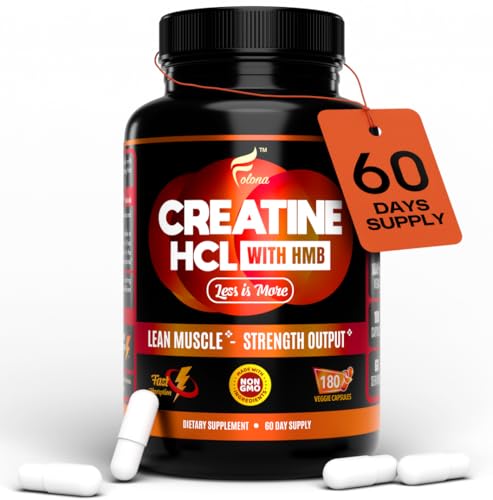
Ultimately, the best choice between creatine and protein for men over 50 depends on your personal goals and lifestyle. If you’re aiming to boost strength and power, creatine is your go-to. If you need to ensure adequate protein intake for muscle repair, a quality protein supplement is essential. Many men find that combining both provides the most comprehensive support. For a reliable creatine option, consider Creatine Monohydrate. For a high-quality protein source, Whey Protein Isolate is an excellent choice. Both are proven to support muscle health in aging men.
Frequently Asked Questions
Can I take creatine and protein together?
Yes, taking creatine and protein together is not only safe but also potentially synergistic. Creatine enhances your workout capacity, while protein provides the amino acids needed for recovery and growth. Many men over 50 combine both to maximize muscle support.
Which is better for muscle loss prevention in men over 50?
Creatine has been shown to be particularly effective in counteracting age-related muscle loss by supporting cellular energy and reducing breakdown. Protein is also crucial, but creatine offers a unique edge for preserving strength. For more on this, see our creatine vs HMB for older men article.
How much protein do I need daily if I’m over 50?
General recommendations suggest 1.2 to 2.0 grams of protein per kilogram of body weight per day for older men, especially if you’re active. This is higher than for younger adults due to anabolic resistance. A protein supplement can help you reach these targets easily.
Will creatine make me gain weight?
Initially, creatine can cause a slight increase in water weight as it draws water into your muscle cells. This is not fat gain, and it contributes to a fuller, more hydrated appearance. Over time, as you build muscle, you may see an increase in lean mass, which is a positive outcome.
For more on how creatine compares to other supplements for recovery, check out our creatine vs HMB for muscle recovery guide.