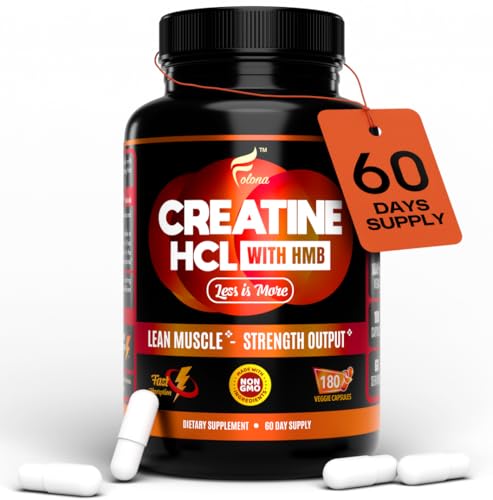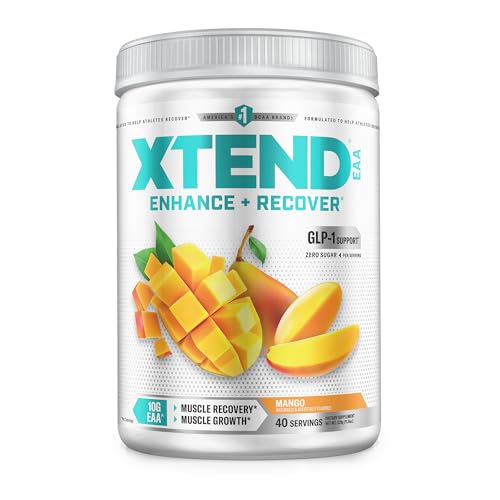

You hit the gym, you push through the reps, but somehow the results aren’t what they used to be. After 50, muscle protein synthesis slows down, making it harder to hold onto lean mass. That’s where supplements like EAA (essential amino acids) and protein powders come into play. But which one actually works better for your body in 2026? This guide breaks down the key differences between EAA and protein for men over 50, helping you make an informed choice based on your specific needs.
We’ve reviewed the science and compared how each supplement supports muscle maintenance, recovery, and overall strength. For a deeper look at how other amino acid supplements stack up, check our comparison of EAA vs BCAA for older men.
Buying Guide
Protein Quality and Amino Acid Profile
Not all proteins are created equal. For men over 50, the amino acid profile matters more than ever. Complete proteins like whey and casein contain all nine essential amino acids, which are the building blocks your body cannot produce on its own. EAA supplements, on the other hand, deliver these nine directly without the extra calories or digestion time of whole protein.
When comparing EAA vs protein, consider that EAA powders are often more concentrated, providing a rapid spike in blood amino acids that can stimulate muscle protein synthesis quickly. For sustained release, a quality protein powder might be better. To see how these options compare in a different context, read our EAA vs whey for muscle support article.
Digestibility and Absorption
As we age, digestive efficiency often declines. Protein powders, especially those with added enzymes, can be gentle on the stomach, but some men find they cause bloating or gas. EAA supplements typically require less digestion because they are already broken down into individual amino acids, allowing for faster absorption with minimal gastrointestinal discomfort.
If you have a sensitive stomach or struggle with dairy, an EAA powder might be a better fit. However, if you prefer a more complete nutritional profile with additional benefits like calcium (from whey), protein could be the way to go.
Convenience and Versatility
Your lifestyle matters when choosing a supplement. Protein powders often require a shaker bottle and can be mixed with water, milk, or added to smoothies. EAA powders are typically lighter and mix instantly with water, making them ideal for travel or post-workout sipping during exercise.
Consider your daily routine. If you need a quick boost before or after a workout, EAA may offer more convenience. If you want a meal replacement or a protein-rich snack, a protein powder is more versatile. For more insights on maintaining muscle as you age, explore our muscle support for healthy aging men guide.
Cost Effectiveness
Budget is always a factor. Generally, protein powders offer a lower cost per gram of protein compared to EAA supplements. However, EAA powders provide a more targeted dose of essential amino acids without the extra calories, which might be worth the premium if you are watching your calorie intake or want a precise supplement strategy.
Weigh your priorities: if you are looking for an affordable way to increase overall protein intake, stick with a quality protein powder. If you need a fast-acting, low-calorie option for muscle recovery, EAA could be a worthwhile investment.
Final Thoughts
Choosing between EAA and protein for men over 50 comes down to your personal goals, digestive comfort, and lifestyle. For rapid post-workout recovery and precise amino acid delivery, an EAA supplement is hard to beat. If you prefer a more complete nutritional profile with additional benefits like calcium and a fuller feeling, a high-quality protein powder remains a solid choice. Both options can support muscle maintenance and strength as you age, so pick the one that fits your routine best.
Frequently Asked Questions
Can I take both EAA and protein together? Yes, combining them can be beneficial. Some men use EAA during workouts for a quick boost and protein afterward for sustained recovery. This approach may maximize muscle protein synthesis, especially in 2026.
Which is better for weight loss? EAA supplements are lower in calories and can help preserve muscle while in a calorie deficit. Protein powders, especially whey, can also support satiety. For weight loss, EAA might be more efficient, but protein offers more fullness.
Do I need EAA if I eat a high-protein diet? If your diet already provides ample protein from sources like meat, eggs, and dairy, you may not need additional EAA. However, for men over 50, supplementing with EAA can help overcome age-related resistance to muscle protein synthesis. For more on this, see our muscle support for longevity guide.
How often should I take EAA or protein? For optimal results, take EAA or protein within 30 minutes after exercise. On rest days, spreading your intake throughout the day can help maintain a positive nitrogen balance. Consistency matters more than timing for long-term muscle health.