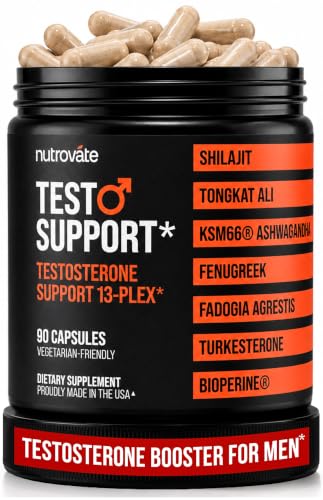

As you cross the 40-year mark, life’s demands often intensify: career pressures, family responsibilities, and the natural decline in energy and resilience. You might have heard about adaptogens like ashwagandha and rhodiola, but which one truly fits your needs? This guide compares ashwagandha vs rhodiola for men over 40, focusing on their unique benefits for stress management, energy levels, and overall vitality. We will help you decide which adaptogen aligns with your specific goals, whether you seek calm focus or sustained physical stamina. For more context on how these fit into a broader stress management plan, check our stress support for men over 40 guide.
Buying Guide
Your Primary Goal: Stress Reduction vs. Physical Energy
Ashwagandha is renowned for its calming effects, helping lower cortisol levels and promoting a sense of tranquility. It is ideal if you struggle with anxiety, poor sleep, or feeling overwhelmed. Rhodiola, conversely, excels at fighting physical and mental fatigue, boosting stamina and cognitive performance under stress. Choose based on whether you need to wind down or power up.
Impact on Male Vitality and Hormones
For men over 40, hormonal balance is crucial. Ashwagandha has shown promise in supporting healthy testosterone levels, which can benefit muscle mass, libido, and mood. Rhodiola primarily enhances energy and reduces burnout without directly influencing testosterone. If hormonal support is a priority, ashwagandha may be the better choice. Learn more about how these supplements compare in our stress support vs testosterone support article.
Dosage and Timing Considerations
Ashwagandha is typically taken in the evening due to its relaxing properties, while rhodiola is best consumed in the morning or early afternoon to avoid interfering with sleep. Start with low doses and monitor your response. Consistency over weeks yields the best results. For a deeper dive into adaptogen strategies, see our cortisol supplements vs adaptogens comparison.
Potential Interactions and Side Effects
Both adaptogens are generally safe, but individual reactions vary. Ashwagandha may cause drowsiness or digestive upset in some people. Rhodiola can lead to jitteriness or insomnia if taken too late. Consult a healthcare professional if you have thyroid conditions, are on medication, or have chronic health issues. For a broader view on stress supplements, visit our stress supplements vs adaptogens page.
Final Thoughts
Choosing between ashwagandha and rhodiola for men over 40 depends on your primary need: if stress and anxiety dominate, ashwagandha is your ally for calm and hormonal support; if fatigue and low energy hold you back, rhodiola offers a clean, sustained boost. Both are powerful adaptogens, but they serve different purposes. For a targeted approach to stress relief and vitality, consider Ashwagandha for its relaxing and hormone-balancing effects, or Rhodiola for its energizing and performance-enhancing properties. Evaluate your lifestyle and choose the adaptogen that aligns with your daily challenges.
Frequently Asked Questions
Can I take ashwagandha and rhodiola together? Yes, many men combine them for synergistic effects, but start with low doses and monitor your response. Ashwagandha in the evening and rhodiola in the morning is a common protocol. Always consult a healthcare provider first.
Which adaptogen is better for sleep? Ashwagandha is generally better for improving sleep quality due to its calming properties. Rhodiola can interfere with sleep if taken late in the day, so it is not recommended for sleep support.
How long does it take to see results from these adaptogens? Most men notice benefits within 2 to 4 weeks of consistent use. Ashwagandha may take longer for hormonal changes, while rhodiola can provide energy boosts within days. Patience and consistency are key.
Are there any adaptogens that support testosterone levels for men over 40? Ashwagandha has the strongest evidence for supporting healthy testosterone levels, especially in stressed individuals. Rhodiola does not directly influence testosterone but may help reduce cortisol, which indirectly supports hormonal balance. For more on this, see our stress support vs testosterone support article.