

You’ve probably stood in the supplement aisle, staring at melatonin bottles with dosages ranging from 1 mg to 10 mg, and wondered: how much melatonin should men take to actually improve sleep without feeling groggy the next day? It’s a common puzzle. Many men assume that if a little helps, more must be better, but that’s not how this hormone works. This guide breaks down the science into clear, practical advice, helping you find a dosage that works for your body and your lifestyle.
We’ll cover the factors that influence your ideal dose, from age to metabolism, and look at common mistakes men make. We’ll also touch on how sleep quality affects everything from recovery to hormone levels, including testosterone. If you’re curious about that connection, we have a detailed look at melatonin and testosterone and how they interact. By the end, you’ll have a clear, actionable plan for using melatonin effectively in 2026.
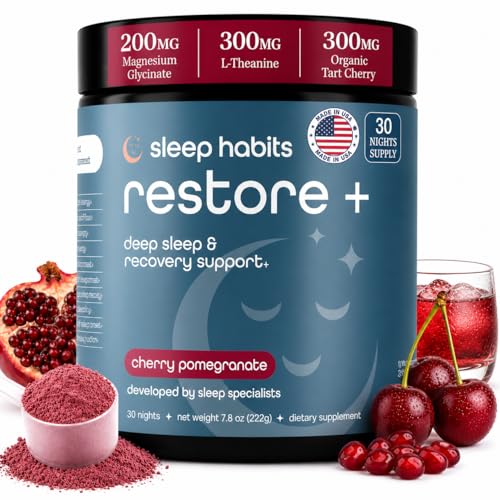
Pros
- Melatonin-free and non-habit-forming, ideal for long-term use
- Supports both sleep quality and physical recovery with nitric oxide boosters
- Uses high-quality, third-party tested ingredients in a vegan, clean formula
- Pleasant cherry pomegranate flavor with monk fruit sweetness
- Designed by sleep and airway specialists for optimized sleep support
Cons
- No customer reviews yet, so long-term feedback is limited
- May require occasional stirring due to natural sediment from fruit and vegetable extracts
- Contains beetroot, which may not suit everyone's taste or dietary preferences
SleepHabits Restore is a melatonin-free sleep drink powder designed for adults who want to fall asleep naturally and wake up without grogginess. It targets individuals seeking a natural alternative to traditional sleep aids, especially athletes, older adults, or anyone wanting to enhance overnight recovery. The formula combines magnesium glycinate, L-theanine, organic tart cherry, and plant-based nitrates from beetroot, red spinach, and pomegranate.
Standout features include its dual action for both sleep and physical recovery. The nitric oxide support from organic fermented beetroot helps improve blood flow and oxygenation during sleep, which can benefit muscle repair and overall recovery. The magnesium glycinate and L-theanine work together to calm the mind and relax the body, while glycine and tart cherry promote natural melatonin production for a consistent sleep-wake cycle. Real-world performance should be smooth, with a clean dissolve and pleasant cherry pomegranate flavor sweetened with monk fruit.
Design and build quality are reassuring: the product is made in the USA in a GMP compliant facility and is third-party tested. It contains no artificial ingredients, fillers, or flavors, making it a clean supplement choice. The powder dissolves easily in cold or hot water, though natural sediment may settle at the bottom, so occasional stirring is advised.
Potential drawbacks include the lack of consumer reviews at launch, which means long-term feedback is unavailable. The price is premium, and the beetroot taste may not be for everyone. Additionally, those with specific dietary restrictions should check the ingredient list, though the formula is vegan and free from common allergens.
Overall, SleepHabits Restore is a well-formulated, melatonin-free sleep aid that prioritizes natural ingredients and recovery. It is best suited for adults who value clean, science-backed supplements and want to avoid grogginess. If you are looking for a gentle, effective sleep drink without harsh sedatives, this product is a strong contender.
Buying Guide: What to Consider for Melatonin Use
Choosing the right melatonin supplement and dosage isn’t just about picking a number off the label. It’s about understanding your body’s unique chemistry and your sleep goals. Here are the essential factors to evaluate before you start.
Start Low and Go Slow: The Principle of Minimal Effective Dose
The most common mistake men make is starting with too high a dose. Melatonin is a hormone, not a sedative. Taking 5 mg or 10 mg right off the bat can lead to next-day drowsiness, vivid dreams, or even vivid nightmares. Instead, start with a low dose, typically 0.5 to 1 mg, and see how your body responds.
You can gradually increase the dose every few nights if needed, but always give your body a chance to adjust. The goal is to find the smallest amount that helps you fall asleep or stay asleep without side effects. This approach is especially important if you’re new to melatonin or have a sensitive system.
Timing Matters: When to Take Melatonin
Melatonin works best when taken at the right time. Taking it too early or too late can shift your internal clock in unwanted ways. Generally, you should take it 30 to 60 minutes before your desired bedtime. This gives your body time to absorb it and signal that sleep is coming.
If you’re using melatonin to reset your sleep schedule, like after jet lag or shift work, timing is even more critical. For a deeper dive into how melatonin affects sleep architecture, check out our guide on melatonin benefits for sleep. Remember, consistency is key; try to take it at the same time every night.
Form and Delivery: Tablets, Gummies, or Drops
Melatonin comes in various forms, and the right one depends on your preference and how quickly you want it to act. Immediate-release tablets or capsules release melatonin all at once, which is good for falling asleep. Extended-release versions release it gradually, helping you stay asleep through the night.
Gummies are popular for their taste and convenience, but they often contain added sugars. Drops or liquids offer flexible dosing, allowing you to adjust in tiny increments. Choose a form that you’ll take consistently and that fits your specific sleep issue. If you’re unsure, start with a simple, low-dose immediate-release option.
Quality and Purity: What’s Actually in the Bottle?
Not all melatonin supplements are created equal. Because supplements aren’t strictly regulated, it’s crucial to choose a brand that undergoes third-party verification. Look for a seal from organizations like USP, NSF, or ConsumerLab, which confirm that the product contains what it claims and is free from harmful contaminants.
Also, check the ingredient list for unnecessary fillers, artificial colors, or allergens. A clean, simple formula is usually a sign of a quality product. If you’re also considering other sleep aids, you might want to compare options like magnesium and L-Theanine for sleep to see what combination works best for you.
Final Thoughts
Finding the right melatonin dose is a personal journey, and starting low and adjusting based on how you feel is the smartest approach. While you’re optimizing your sleep, don’t overlook other factors that affect your rest, like physical tension and recovery. For men dealing with shoulder stiffness that disrupts sleep, consider Ageless Shoulders; it’s a simple routine that targets mobility. And for overall sleep support, Ageless Shoulders offers a unique angle by addressing physical discomfort, which is often an overlooked sleep thief. Remember, the best melatonin plan is one you can stick with, and pairing it with good sleep hygiene will give you the best results.
Frequently Asked Questions
What is a safe starting dose of melatonin for men?
A safe starting dose is typically 0.5 to 1 mg, taken 30 to 60 minutes before bedtime. This low dose is enough for many men to notice a difference in sleep onset without causing morning grogginess. You can gradually increase it to 2 or 3 mg if needed, but always give your body a few nights to adapt.
Can men take melatonin every night?
For short-term use, such as a few weeks, melatonin is generally considered safe for most men. However, long-term daily use isn’t well-studied, and some experts recommend using it intermittently to avoid dependency. If you find you need it every night for more than a month, it’s a good idea to discuss your sleep patterns with a healthcare provider.
Does melatonin affect testosterone levels in men?
Some research suggests that very high doses of melatonin might influence testosterone, but at typical low doses, the effect appears minimal. The relationship between sleep and testosterone is complex, and improving sleep quality can actually support healthy hormone levels. For a deeper look, you can read our article on melatonin and testosterone to understand the nuances.
What time should men take melatonin for best results?
The ideal time is 30 to 60 minutes before your target bedtime. This aligns with your body’s natural melatonin rise, which typically begins a couple of hours before sleep. Taking it too early can shift your sleep-wake cycle, while taking it too late might make you feel sleepy at the wrong time. Consistency is key, so aim for the same time each night.


